Physical Address
304 North Cardinal St.
Dorchester Center, MA 02124
Physical Address
304 North Cardinal St.
Dorchester Center, MA 02124

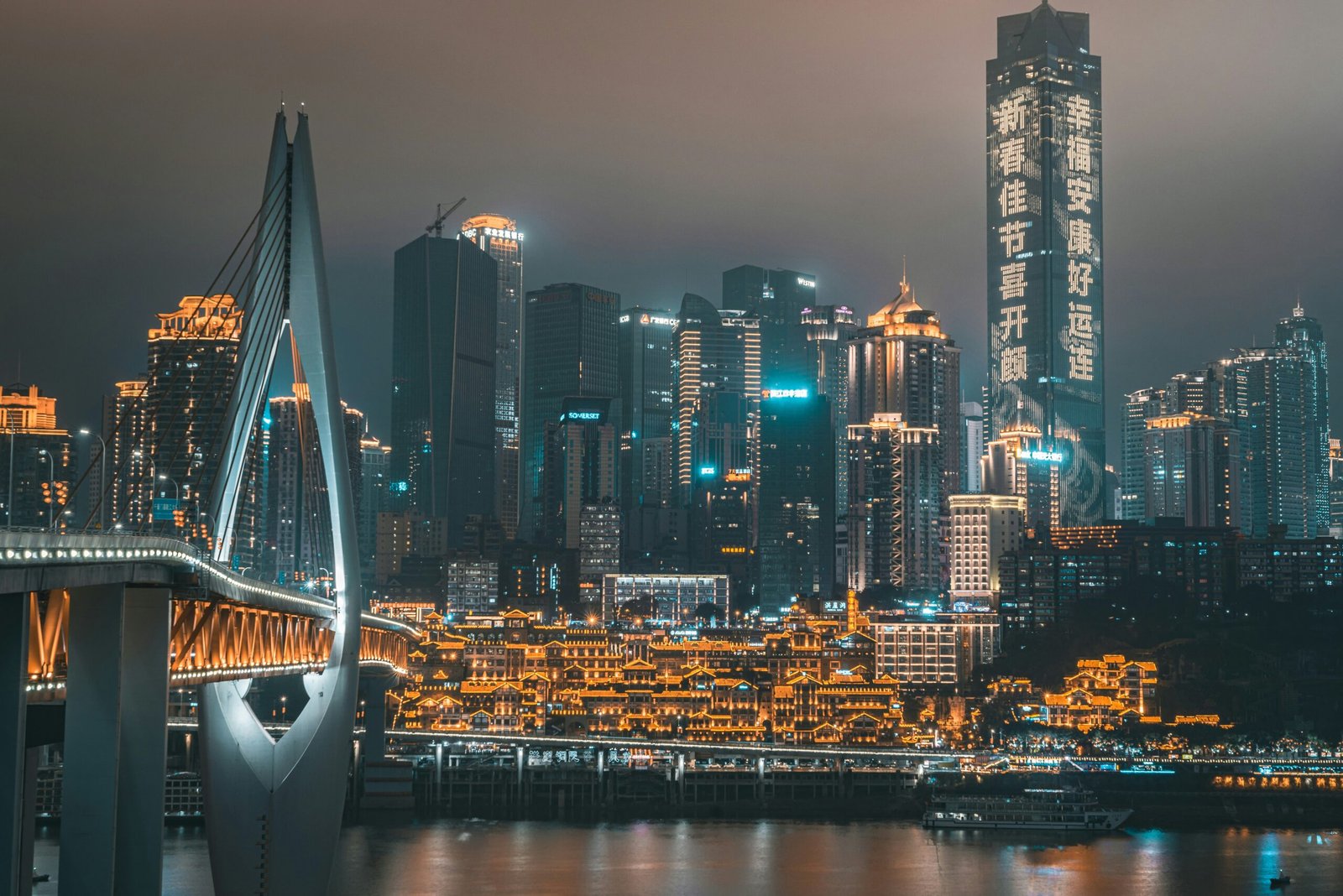
Nestled where the Yangtze and Jialing Rivers meet, Chongqing has long been called “China’s Mountain City.” With steep hills, fog-filled valleys, and layered skylines that seem to rise endlessly upward, it’s a place where geography and modernity collide.
Unlike Beijing or Shanghai, Chongqing’s identity feels raw and vertical — its bridges, tunnels, and light rails twist through cliffs and clouds. It’s that mix of cinematic scale and chaotic charm that’s catching global attention.
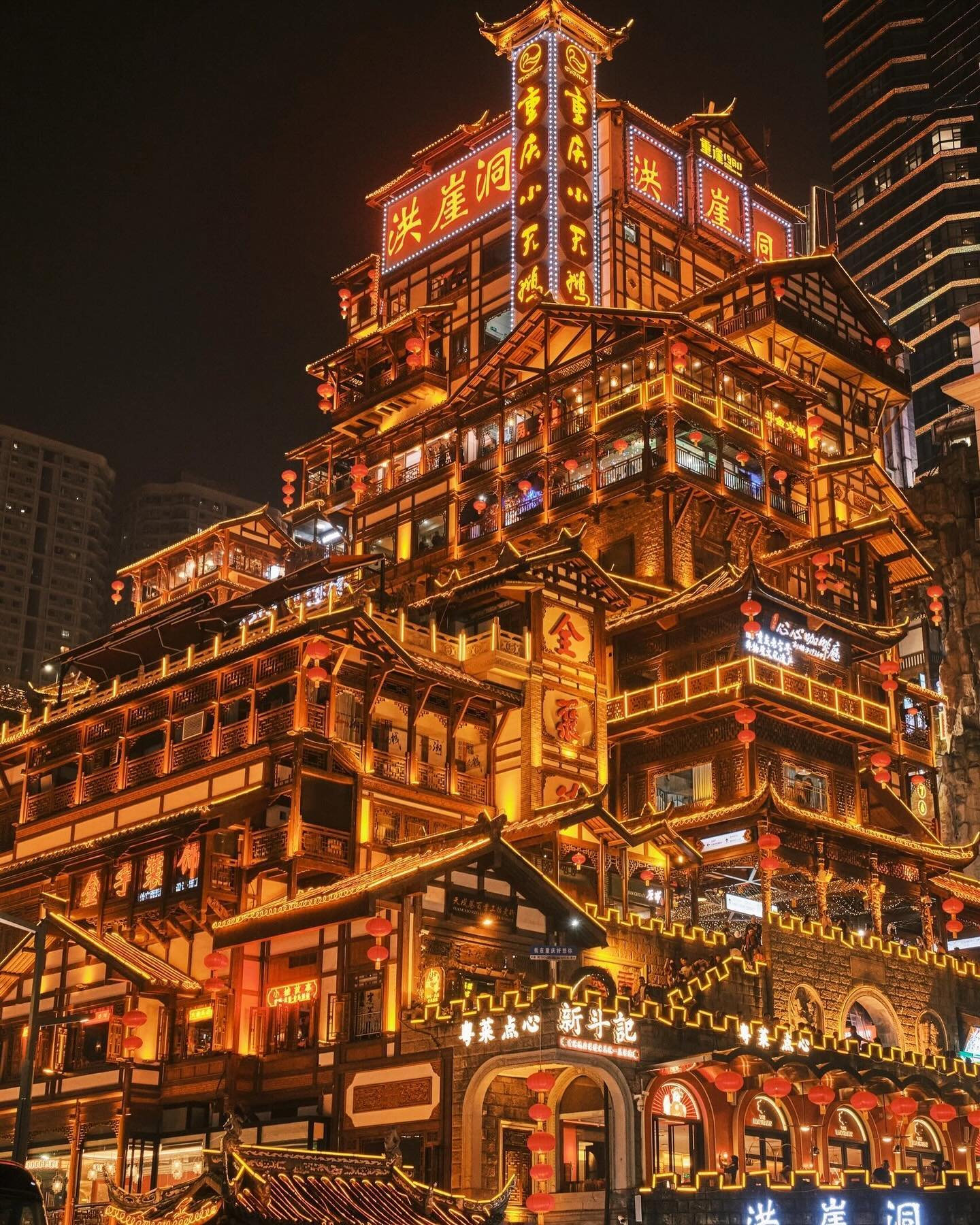
Chongqing’s boom began online. Chinese influencers and vloggers started posting clips of its neon nightscapes, 3D subway stations, and streets stacked on top of one another. Soon, hashtags like #ChongqingCityView and #HotpotCapital racked up billions of views across Douyin, Xiaohongshu, and Instagram.
After China reopened, travelers sought new domestic adventures. While Shanghai offered luxury and Beijing offered history, Chongqing offered something fresh — authentic, photogenic, and affordable.
With new high-speed rail connections, budget flights, and expanded visa-free policies, it became one of the most accessible destinations for both domestic and international tourists in 2025.
Landmarks like Raffles City Chongqing (the “horizontal skyscraper”) and the Liziba Monorail — which literally passes through an apartment building — have become architectural icons. Every corner seems made for social media.
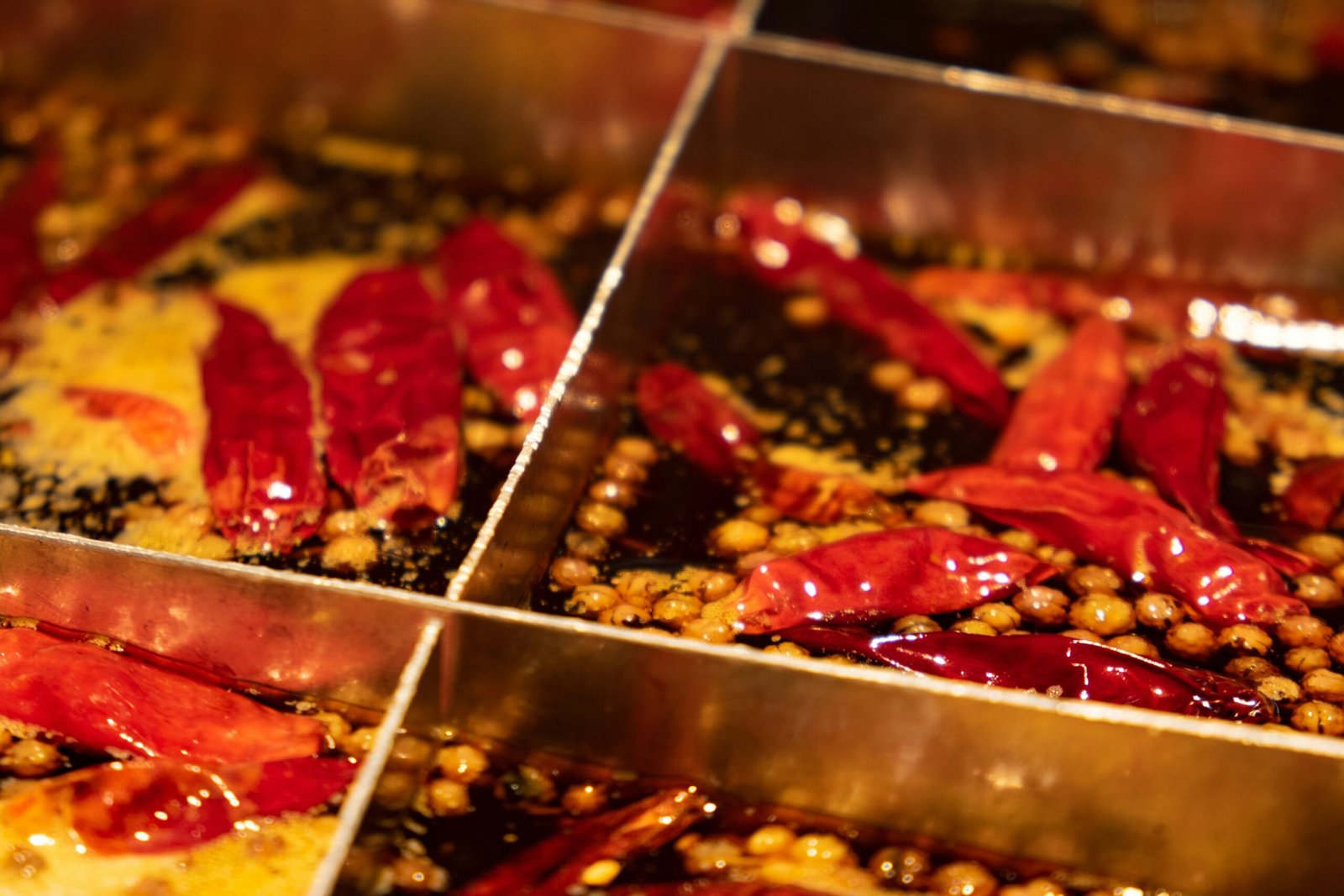
No trip is complete without Chongqing hotpot, famous for its fiery broth and mountain of chili oil. The city’s street food — spicy noodles, grilled skewers, and suanla fen — is another major draw for culinary travelers.
Compared to Shanghai or Shenzhen, Chongqing is remarkably affordable. Budget hotels with skyline views, metro fares under $1, and endless free viewpoints make it a hit for younger travelers.
Between the mist, neon lights, and vertigo-inducing architecture, Chongqing feels like a scene from Blade Runner or Inception. This “cyberpunk China” aesthetic is a key reason creators and photographers keep coming back.
Best time: October–March (cool weather and fewer crowds).
Avoid midsummer — humidity and heat can be intense.
Chongqing Jiangbei International Airport (CKG) connects with major Asian and European cities. High-speed trains from Chengdu, Xi’an, and Shanghai make travel quick and easy.
While English is limited outside major hotels, learning a few Mandarin travel phrases goes a long way — or carry a translation app.
The government is heavily investing in smart tourism infrastructure, digital guides, and eco-friendly transport. With the city’s mix of innovation and heritage, Chongqing is positioning itself as a next-gen travel hub — not just in China, but in all of Asia.
Chongqing’s sudden rise isn’t just a trend — it’s a reflection of what modern travelers want: authenticity, visual impact, and a story worth sharing.
If you’re planning a trip to China, Chongqing belongs near the top of your list — a place where ancient rivers meet futuristic skylines, and every turn reveals another photo-worthy moment.