Physical Address
304 North Cardinal St.
Dorchester Center, MA 02124
Physical Address
304 North Cardinal St.
Dorchester Center, MA 02124

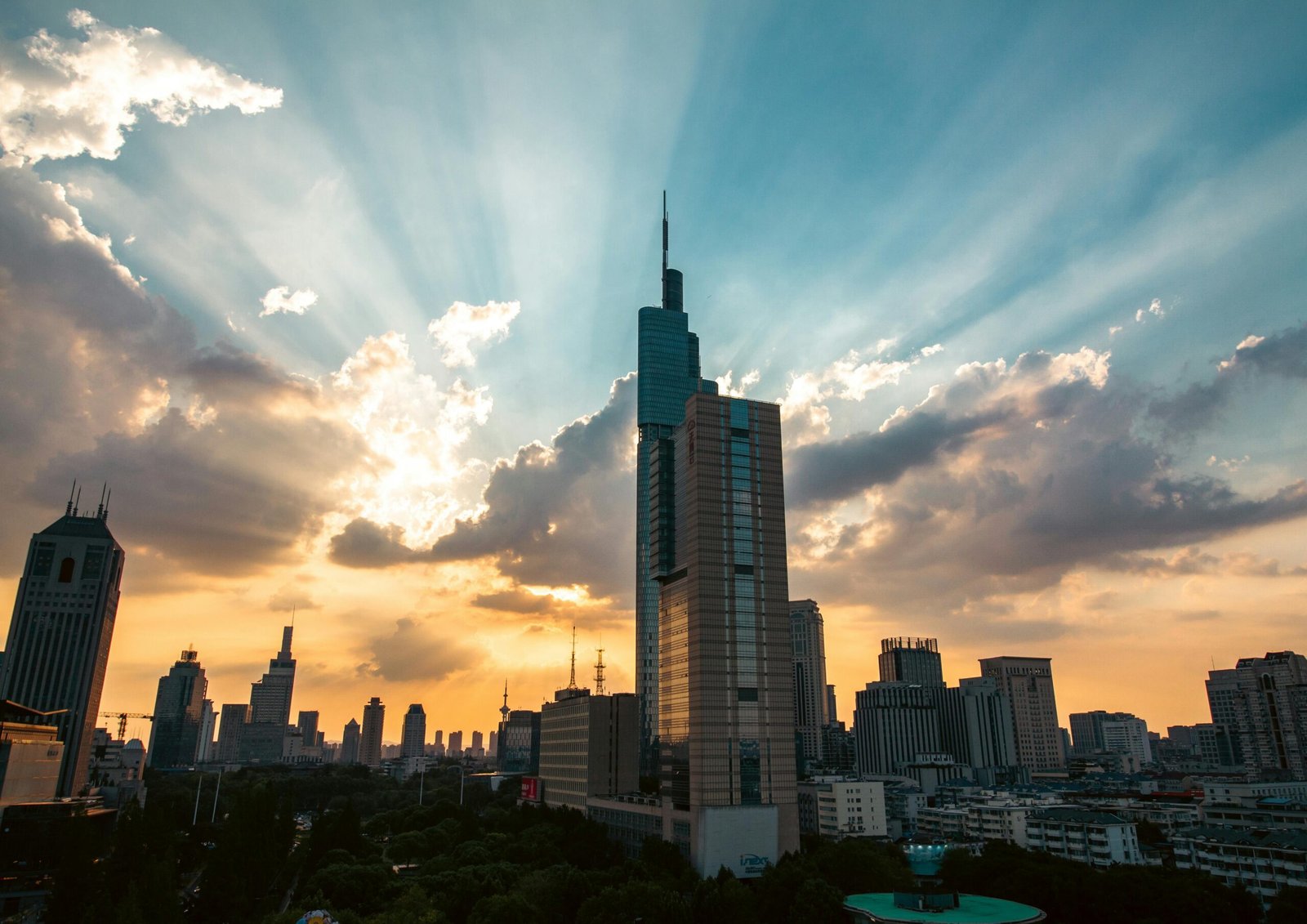
Perched in the lower reaches of the Yangtze River, Nanjing (南京) has been at the heart of Chinese history for over a millennium. As one of the country’s “Four Great Ancient Capitals,” it combines imperial legacy and revolutionary history with natural scenery and urban vitality.
For travelers seeking a Chinese city that blends deep history, refined culture and accessible modern amenities, It delivers. Whether you’re learning Chinese, exploring China for the first time, or looking beyond Shanghai and Beijing — this guide will help you experience in full.
The name literally means “Southern Capital,” reflecting its past role as a seat of power through several dynasties and in modern republican times. The city contains relics from the Ming Dynasty and sites from the early 20th century, providing a layered historical experience that few Chinese cities can match.
Despite its size, the city remains remarkably green. Parks, lakes, and mountains surround the city center, making it easy to escape into nature. For learners of Chinese or those interested in authentic cultural experiences, it offers a slower rhythm and strong local identity.
Located in Jiangsu Province, The City is a major hub linked to Shanghai, Suzhou, and Hangzhou via high-speed rail. Its international airport makes it an ideal gateway for travelers exploring eastern China.
The climate is subtropical and humid, with four distinct seasons. Pack flexible layers and comfortable walking shoes. Always check public holiday dates to avoid peak crowds. Looking for more china travel tips? Read more here
Lukou International Airport connects to major Chinese and Asian cities. From Shanghai, the high-speed train takes about 1–2 hours.
The Metro is clean, modern, and efficient, reaching nearly all major attractions. Taxis and rideshares are easy to find, though traffic can slow in rush hours.
Tip: Stay near a metro line for convenient access to all major districts.
Common Mistake: Choosing hotels far from the metro — it adds unnecessary commute time.
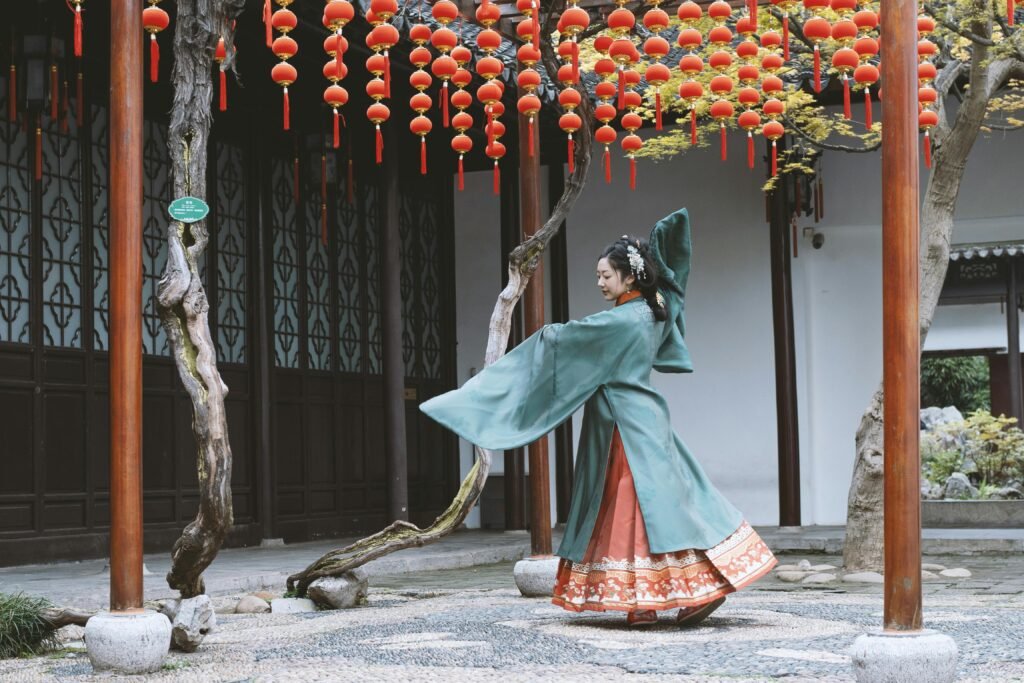
The tomb of Emperor Hongwu, the first Ming emperor, sits on the lush slopes of Purple Mountain. The Sacred Way, lined with stone animals and warriors, leads to the site. The area also includes the Sun Yat-sen Mausoleum and several tranquil hiking trails.
Tip: Visit early morning for fewer crowds and the best light.
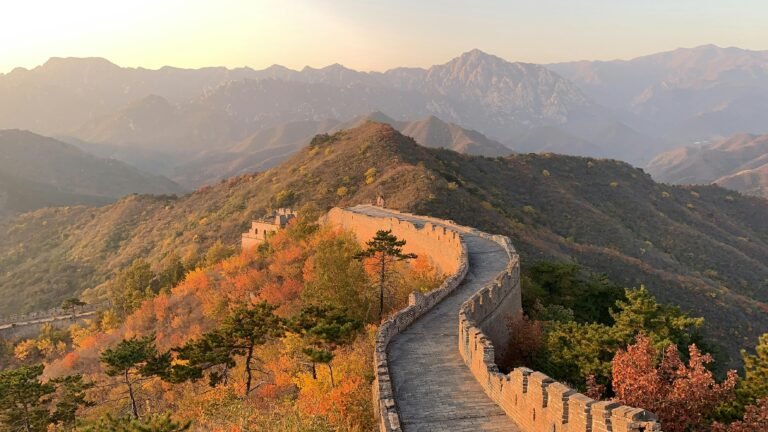
The city wall, one of the most intact in China, encircles the historic core. Zhonghua Gate — a massive fortress-like structure — offers insight into ancient Chinese defensive design and panoramic city views.
Tip: Bring water and comfortable shoes; portions of the wall have uneven steps.
The Qinhuai River area comes alive at night with glowing lanterns, food stalls, and boat rides. The nearby Confucius Temple area offers a blend of traditional architecture, local snacks, and evening charm.
Tip: Visit at sunset for photos and a more relaxed evening atmosphere.
Just north of the city wall, Xuanwu Lake offers peaceful walking paths, paddle boats, and shaded islands connected by bridges. Locals come here for morning exercise and weekend picnics.
Tip: Rent a bike and circle the lake for a break from city sightseeing.
For a quieter escape, Niushou Mountain’s cultural park combines nature, Buddhist architecture, and scenic trails. It’s a great half-day trip from downtown.
Common Mistake: Skipping outer scenic areas and focusing only on downtown attractions.
The City is ideal for travelers studying Chinese. Signage often includes pinyin, and locals are patient with language learners. Reading menus, ordering food, and chatting with vendors offer authentic ways to practice Mandarin.
Tip: Learn a few basic phrases like “多少钱?” (How much?) or “谢谢” (Thank you) — small efforts go a long way.
Nanjing offers a wide variety of accommodation choices to suit every traveler — from backpacker hostels tucked into historic alleys to luxury hotels overlooking the Qinhuai River or Purple Mountain. Prices are generally lower than in cities like Shanghai or Beijing, making Nanjing an excellent base for exploring one of China’s most storied cities in comfort and style.
If it’s your first time visiting Nanjing, staying in the central city area is ideal. This district offers:
Why stay here: You’ll be within walking distance of many landmarks, making it convenient for sightseeing and short stays.
Travel Tip: The 1912 Entertainment District near Xinjiekou is ideal for nightlife, while the area around Xuanwu Lake Park offers scenic morning walks.
For travelers who want a blend of culture, romance, and vibrant local life, Qinhuai District is the perfect choice. This is the heart of Nanjing’s historic charm — home to the Confucius Temple (Fuzimiao) and the Qinhuai River, which glows beautifully at night under red lanterns.
Here, you’ll find mid-range hotels, boutique guesthouses, and traditional courtyard inns offering river views and authentic architecture. Evening strolls along the riverbanks reveal street performers, souvenir stalls, and classic Chinese-style bridges.
Why stay here: It’s the best place to experience old Nanjing — perfect for photographers, food lovers, and culture seekers.
Local Insight: Ask your host to book a night boat cruise on the Qinhuai River. The illuminated temples and ancient stone bridges make for unforgettable photos.
If you prefer tranquility, fresh air, and nature, the Purple Mountain (Zijin Shan) area on the city’s eastern side is a serene retreat. Surrounded by lush forests, hiking trails, and famous historical sites like the Sun Yat-sen Mausoleum and Ming Xiaoling Tomb, this area provides a peaceful escape from the city bustle.
You’ll find a mix of elegant resorts, modern eco-hotels, and family-run guesthouses offering garden views and local breakfast. It’s also popular among hikers and cyclists who want quick access to Nanjing’s best outdoor attractions.
Why stay here: Ideal for those seeking relaxation, photography, or cultural reflection.
Common Mistake: Staying too far up the mountain — while it’s peaceful, transport options can be limited at night. Choose lodging near metro lines or main entrances.
Nanjing’s food culture reflects its imperial past and southern Chinese comfort, making it one of the most underrated culinary destinations in China. Locals are proud of their duck-based specialties, rich broths, and subtle, savory flavors that balance saltiness with sweetness.
Below are a few must-try dishes and insider dining tips.
Nanjing’s most iconic dish, Salted Duck, dates back over a thousand years to the Ming Dynasty. The duck is marinated with salt, spices, and ginger, then gently poached to achieve tender meat and aromatic flavor. Locals enjoy it chilled, sliced thinly, and paired with rice or noodles.
Where to try it: Look for traditional eateries near Hanzhong Gate or Shiziqiao Food Street. Some shops even sell vacuum-packed versions to take home.
This hearty street favorite combines duck blood cubes, vermicelli noodles, tofu, and duck liver in a rich, peppery broth. It’s often eaten for breakfast or as a quick comfort meal. Despite its bold ingredients, the flavor is surprisingly mild and savory.
Insider Tip: Locals usually eat this with a side of fried dough sticks (youtiao) — dip them into the broth for authentic flavor.
While Shanghai is famous for xiaolongbao, Nanjing’s version is equally delicious — thinner skin, slightly bigger, and filled with a delicate pork broth. Watch them being steamed fresh in bamboo baskets along Fuzimiao’s snack streets.
Tip: Eat carefully — poke a small hole with chopsticks to release the steam before slurping the soup.
A sweet, elegant dessert of lotus root stuffed with sticky rice, simmered in a syrup of osmanthus flowers and sugar. It’s served cold and has a floral aroma that’s distinctively Nanjing.
Where to find it: Many restaurants around the Confucius Temple area or local dessert stalls along Laomendong.
Local Tip: Try the city’s rice wine (黄酒 huángjiǔ) or plum wine with your meal — they pair beautifully with duck dishes.
Another Tip: Visit morning markets or night food alleys for the freshest experience — locals often start eating early!
Tip: Always explore small eateries and family-run shops. These hidden gems serve some of the most authentic and affordable Nanjing food.
Common Mistake: Only eating in large or tourist-focused restaurants. While they’re convenient, they often tone down flavors. Locals prefer modest places with handwritten menus.
Day 1: Ming Xiaoling Mausoleum → Purple Mountain → Zhonghua Gate → Evening at Qinhuai River
Day 2: Xuanwu Lake → Presidential Palace → Museum → Local food walk
Add a trip to Niushou Mountain, Confucius Temple, and explore local markets or Chinese calligraphy workshops.
One of China’s historically rich cities, offers a mix of ancient culture, modern development, and scenic landscapes. Key attractions include the majestic Ming Xiaoling Mausoleum, the historic Confucius Temple area, and the impressive City Wall, which showcases the city’s imperial past. Visitors can also enjoy the serene Qinhuai River, explore museums like the Massacre Memorial, and stroll through Xuanwu Lake Park for nature and relaxation. With its combination of historical landmarks, cultural experiences, and vibrant local food scene, Nanjing provides a well-rounded destination for travelers seeking both education and leisure.
For related reads, explore our GoChinese.io guides to Hainan, ChongQing, and the rest of china — or our section on learning Chinese through travel.