Physical Address
304 North Cardinal St.
Dorchester Center, MA 02124
Physical Address
304 North Cardinal St.
Dorchester Center, MA 02124

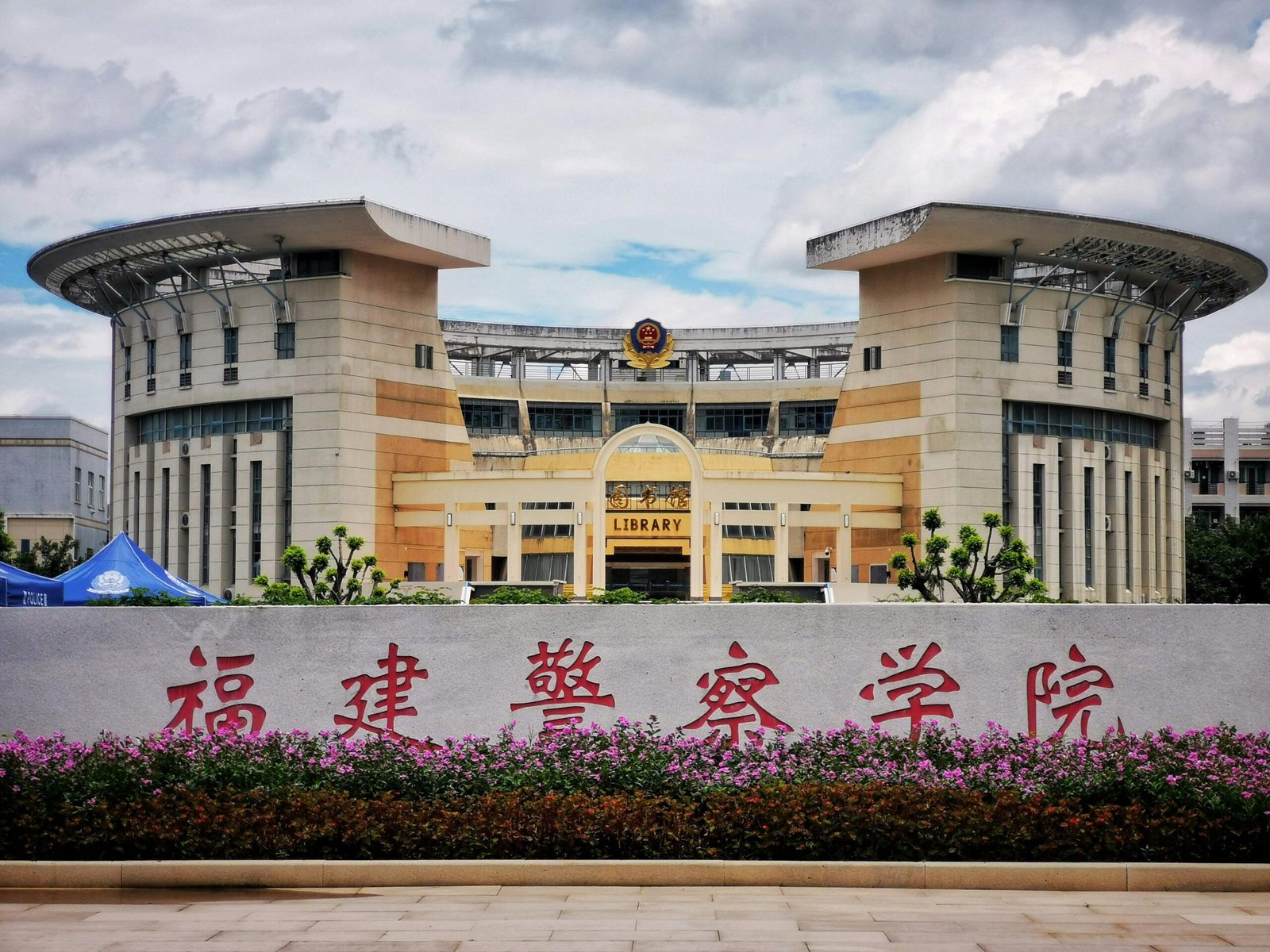
If you’re dreaming of studying in China, you’ve probably come across the HSK exam — China’s official Mandarin proficiency test. The question many learners ask is: “Is HSK 5 enough to study at a Chinese university?”
The short answer: for most programs, yes — but it depends on your major and the university’s requirements.
HSK 5 represents upper-intermediate fluency, which allows you to handle lectures, read textbooks, and interact comfortably on campus. However, some degrees — especially in Chinese-taught programs — may require Level 6 or additional language preparation.
Let’s explore what Level 5 really means, what it allows you to do, and how to know if it’s enough for your university goals in China.
Key Points:
Level 5 measures upper-intermediate Chinese proficiency, focusing on reading comprehension, listening skills, and writing ability.
The HSK (Hànyǔ Shuǐpíng Kǎoshì) is the official Mandarin proficiency test administered by Hanban, under China’s Ministry of Education. It’s divided into six levels, from beginner (Level 1) to advanced (Level 6).
By this stage, you’ll know:
💡 Tip: Many learners describe HSK 5 as the point where Chinese “clicks” — you can finally think and speak without translating every sentence.
If you’re applying to a Chinese-taught degree program, you’ll need to prove your Mandarin proficiency with an official HSK score.
Here’s the general guideline:
⚠️ Common Mistake: Many students assume that an English-taught degree means they won’t need Chinese at all. In reality, you’ll still use Mandarin for daily communication, housing, and bureaucratic paperwork.
Reaching HSK 5 means you have strong command of the language. You can:
You won’t be native-level fluent yet, but you’ll function smoothly in most university environments — especially if you continue improving after arrival.
Both levels are considered advanced, but there’s a clear distinction in depth and fluency.
💬 Side Note: For most undergraduate programs, HSK 5 is sufficient. But if your major involves literature, history, or law, you’ll benefit from HSK 6 due to the dense, formal vocabulary used in those fields.
Reaching HSK 5 is a major milestone in Mandarin learning — it represents advanced fluency, the level where you can comfortably read newspapers, understand TV dramas, and hold complex conversations on a variety of topics.
Most learners can reach this level in about 1.5 to 2 years of consistent, structured study. Of course, your progress depends on your study habits, exposure to the language, and whether you’re learning in or outside China.
Here’s what a typical learning journey looks like:
HSK 5 marks the transition from “classroom Mandarin” to real-world fluency — the point where you can read WeChat posts, follow Chinese social media, and engage naturally in discussions with locals.
If you’re studying full-time (3–4 hours a day) or living in China, reaching HSK 5 in 12–14 months is absolutely achievable.
You’ll be surrounded by the language daily — from ordering food to chatting with locals — which reinforces what you study in class.
To make the most of your environment:
If you can only dedicate about 1 hour a day, expect 18–24 months to reach HSK 5. Consistency is key — daily study adds up faster than long, infrequent sessions.
To maximize results with limited time:
Remember: reaching HSK 5 isn’t just about time — it’s about depth of engagement. Two learners may study for the same number of hours but achieve very different results depending on how active, immersive, and goal-focused their learning is.
At this stage, you’ll find that Mandarin starts to “click.” You’ll understand humor, idioms, and cultural nuances — not just vocabulary.
With steady effort, anyone can reach HSK 5. The real secret? Consistency, curiosity, and making Chinese a natural part of your daily life.
💡 Tip: Immersion is key. Watching Chinese dramas, reading WeChat articles, speaking with locals, and using tools such as flashcards to accelerate progress far more than textbook-only study.
Passing the test is one thing — thriving in a university environment is another. Use this checklist to gauge your readiness.
⚠️ Common Mistake: Many students underestimate the listening comprehension gap. Real lectures move faster and use more specialized terms than HSK practice materials.
Passing HSK 5 is a major achievement — it shows that you can communicate comfortably and understand advanced Chinese. But university study in China (or any Mandarin-medium environment) is another level entirely. Academic classes move quickly, professors use specialized vocabulary, and assignments often demand strong reading and writing skills.
That’s why it’s smart to reinforce your HSK 5 proficiency before your degree begins. By polishing your academic Chinese now, you’ll transition into university life much more smoothly — and spend less time catching up once classes start.
University lectures can be fast-paced and full of unfamiliar terms. The best way to prepare is to train your ear for academic Mandarin before you arrive.
💡 Pro tip: Choose topics related to your intended major. For example, if you’ll study international relations, look for news or political commentary videos in Mandarin.
Reading fluency is key to success in a Chinese university setting. Once you’ve mastered general HSK-level materials, start focusing on content from your field of study.
💡 Pro tip: Highlight new technical terms and create a personal “academic glossary.” Reviewing these regularly will make future lectures easier to follow.
Writing in academic Chinese is very different from conversational writing. It demands structure, clarity, and proper use of linking phrases. To build this skill, make weekly writing practice part of your routine.
💡 Pro tip: Focus on sentence connectors and academic transitions such as 因此 (yīncǐ – therefore), 总的来说 (zǒng de lái shuō – in summary), and 首先/其次 (shǒuxiān/qícì – firstly/secondly). These small details elevate your writing to academic quality.
Speaking confidently about academic topics is often the hardest skill to master. Joining online Mandarin discussion groups is a low-pressure way to practice expressing complex ideas.
💡 Study Tip: At Level 5, focus less on memorizing new words and more on applying what you know in real academic contexts.
Many well-known Chinese universities accept Level 5 for Chinese-taught degrees, especially at the undergraduate level.
Examples include:
However, highly ranked programs like Tsinghua University or Peking University often prefer Level 6 for majors taught entirely in Chinese.
💬 Note: Always check your program’s specific requirements. Some universities accept Level 4 but require a one-year language prep course before degree study.
University-level Chinese includes words not always covered in the standard list. You’ll need to recognize specialized academic vocabulary, such as:
⚠️ Common Mistake: Level 5 vocabulary is broad but not always academic. Make sure to supplement your study with domain-specific materials.
💬 Side Note: Passing HSK 5 doesn’t automatically mean you’ll feel fluent. Continue improving through everyday interaction once you arrive.
Once in China, Level 5 proficiency gives you a major head start. You’ll:
💡 Cultural Tip: Don’t be afraid to make mistakes — Chinese locals appreciate effort and often help international students improve.
HSK 5 is generally considered sufficient for admission to most Chinese-taught university programs, as it demonstrates upper‑intermediate proficiency and the ability to understand lectures, read academic texts, and participate in discussions. While some universities and competitive programs may require HSK 6 for full academic fluency, HSK 5 is typically enough for general coursework, daily campus life, and moderate independent study. Success also depends on combining HSK 5 with strong listening and reading skills, so students are often advised to continue practicing with Chinese media, academic materials, and mock exams before enrolling. Overall, HSK 5 provides a solid foundation for university study in China, though higher-level preparation can ease adaptation and academic performance.
Ready to prepare for your next level? Explore GoChinese.io’s learning platform for structured lessons, mock tests, and personalized Level 5–6 study tools to help you reach your university goals faster.