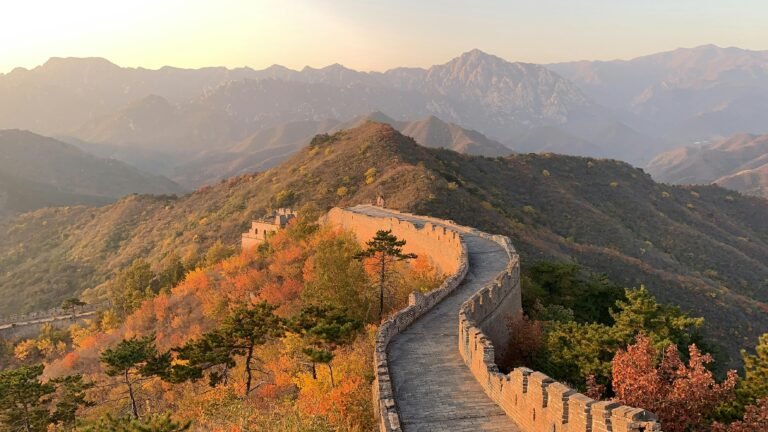
When people plan travel in China, they usually picture the Great Wall, Shanghai’s skyline, or Beijing’s Forbidden City. But China’s beauty extends far beyond its two megacities.
Across its vast landscapes are hidden Chinese cities—places rich in history, food, art, and hospitality that remain under the radar for most international travelers.
If you want to experience real China—where the pace is slower, prices are fairer, and locals are genuinely curious about visitors—this guide will show you where to go next.
Table of Contents
Why Explore Hidden Chinese Cities?
China is enormous: 23 provinces, 5 autonomous regions, and hundreds of thriving mid-sized cities. Skipping Beijing and Shanghai doesn’t mean missing out—it means discovering:
Authentic local culture untouched by mass tourism
Affordable food and accommodation
Unique dialects, cuisines, and traditions
Friendlier interactions with locals curious about foreigners
🧭 Tip: Many of these destinations are connected by China’s high-speed rail network—making them easy to reach from major hubs.
Kunming — The City of Eternal Spring
Nicknamed “The City of Eternal Spring,”Kunming is Yunnan Province’s capital and one of China’s most pleasant year-round destinations.
Why Kunming Is Worth Visiting
Mild climate: Temperatures stay comfortable all year.
Cultural diversity: Home to over 20 ethnic minority groups.
Natural beauty: Gateway to Dali, Lijiang, and the legendary Shangri-La.
Top Things to Do in Kunming
Wander through the Stone Forest (Shílín 石林)—a UNESCO site of limestone peaks.
Stroll around Green Lake Park (Cuihu Park), especially in winter when red-beaked gulls migrate in.
Explore Yunnan Nationalities Village for a glimpse of China’s ethnic mosaic.
Try local dishes like Crossing-the-Bridge Noodles (过桥米线 guòqiáo mǐxiàn).
💡 Local Insight: Kunming’s relaxed vibe makes it perfect for long stays or digital nomads exploring China’s southwest.
Chengdu — Home of Pandas and Hotpot
Chengdu, the capital of Sichuan Province, is no longer a secret to domestic tourists—but it’s still one of the best hidden Chinese cities for international visitors.
Why Chengdu Stands Out
Famous for its laid-back lifestyle and fiery cuisine.
Birthplace of Sichuan opera and panda conservation efforts.
UNESCO City of Gastronomy—food alone is worth the trip.
What to Do in Chengdu
Visit the Chengdu Research Base of Giant Panda Breeding early morning to see pandas playing.
Try authentic Sichuan hotpot (火锅 huǒguō) and mouth-numbing peppercorn dishes.
Explore Jinli Ancient Street and Kuanzhai Alley for traditional architecture.
Enjoy tea at a local teahouse, a true Chengdu ritual.
🔥 Pro Tip: Locals say you can’t claim you’ve been to Chengdu until you’ve eaten hotpot and watched bianlian—the face-changing opera.
Xiamen — China’s Coastal Gem
Located on the southeastern coast, Xiamen combines tropical beauty, European colonial history, and one of the most livable atmospheres in China.
Why Xiamen Deserves More Attention
Consistently ranked among China’s cleanest and most scenic cities.
Gateway to Taiwan Strait and Fujian Province’s heritage.
Offers beachside relaxation with a strong arts culture.
Top Sights in Xiamen
Gulangyu Island, a UNESCO World Heritage Site filled with historic mansions and piano museums.
Nanputuo Temple, a peaceful Buddhist site overlooking the sea.
Zhongshan Road, famous for street snacks and night markets.
Take a seaside stroll along the Huandao Road Coastal Walk.
🌅 Traveler’s Tip: Avoid national holidays when ferries to Gulangyu Island get crowded—visit early morning for calm views.
Guilin — Landscapes Straight from a Painting
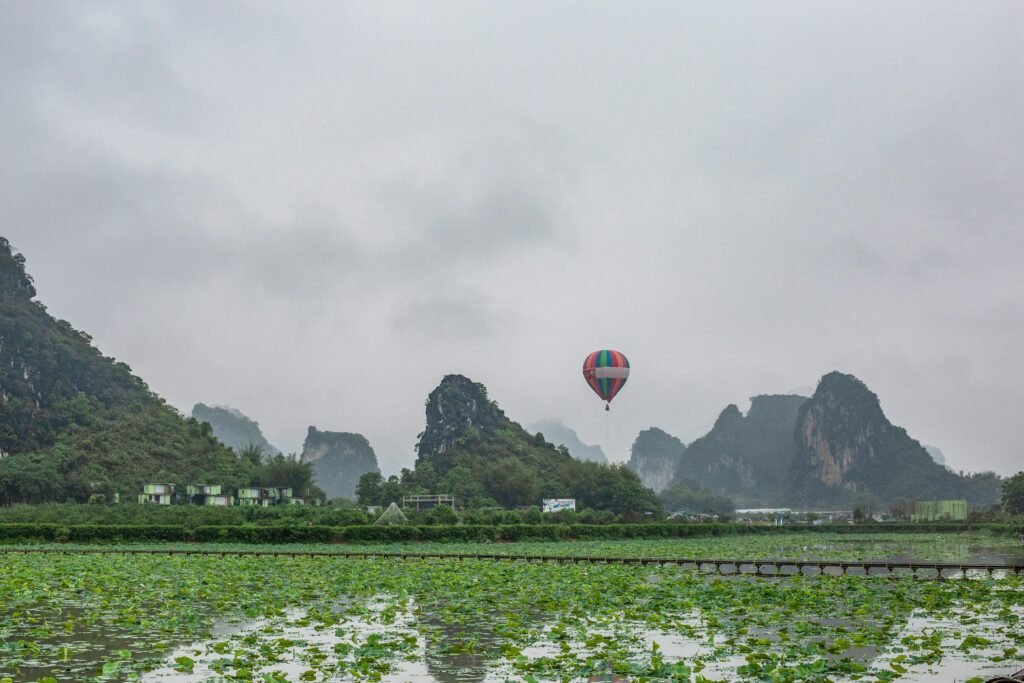
If there’s one city that captures the poetic essence of travel in China, it’s Guilin in Guangxi Province.
Why Visit Guilin
Iconic karst mountain scenery that inspired countless Chinese artworks.
Easy access to Yangshuo, known for cycling, bamboo rafting, and riverside cafés.
Slower pace and budget-friendly accommodation for travelers.
Top Things to Do
Take a Li River Cruise from Guilin to Yangshuo.
Climb Elephant Trunk Hill for panoramic views.
Visit Reed Flute Cave and its glowing rock formations.
Experience the Impression Liu Sanjie light show on the river.
🧳 Side Note: Many backpackers use Guilin as their gateway to rural Guangxi and the Longji Rice Terraces.
Suzhou — China’s Garden City
Close to Shanghai but a world apart, Suzhou is famous for its classical gardens, silk culture, and poetic charm.
What Makes Suzhou Special
Known as “Venice of the East” for its canals and stone bridges.
Home to nine UNESCO-listed Classical Gardens.
Ideal weekend escape from Shanghai—just 30 minutes by bullet train.
Top Sights
Humble Administrator’s Garden (拙政园) and Lingering Garden (留园).
Pingjiang Road, a canal-side old town perfect for walking or cycling.
Suzhou Museum, designed by I.M. Pei, blending modern and ancient aesthetics.
🌿 Cultural Tip: Suzhou locals speak a Wu dialect—different from Mandarin—but gestures and smiles go a long way.
Dunhuang — Gateway to the Silk Road
For history lovers and adventure seekers, Dunhuang in Gansu Province is a must-see among hidden Chinese cities.
Why Dunhuang Captivates Travelers
Ancient Silk Road hub linking China with Central Asia.
Surreal desert landscapes, sand dunes, and Buddhist caves.
Must-See Attractions
Mogao Caves, a UNESCO treasure housing over 1,000 years of Buddhist art.
Crescent Lake (Yueyaquan), an oasis in the middle of the desert.
Mingsha Sand Dunes, where you can sandboard or ride camels.
🏕️ Traveler’s Tip: Visit at sunrise or sunset for golden views over the dunes—and fewer crowds.
The ideal times to explore China’s lesser-known cities are spring (April–June) and autumn (September–October).
During these months, you’ll enjoy:
Pleasant temperatures — warm but not humid, perfect for walking tours and outdoor markets.
Clear skies and vibrant scenery — spring brings blossoms to places like Kunming and Guilin, while autumn highlights the colorful landscapes around Chengdu and Xi’an.
Fewer tourists compared to the busy summer and Lunar New Year periods, making it easier to find accommodation and avoid crowds at attractions.
Not necessarily — you can travel comfortably with a few basic Mandarin phrases and translation tools.
In many popular second-tier cities like Chengdu, Kunming, and Xiamen, younger locals and hospitality staff often speak basic English, especially in hotels, restaurants, and major tourist areas.
That said, learning a little Mandarin goes a long way. Simple phrases such as “多少钱?” (duō shǎo qián? – How much?) or “谢谢” (xièxie – Thank you) can make daily interactions smoother and more enjoyable.
You can also rely on:
Apps like Pleco or Google Translate for instant text and image translation.
Offline phrasebooks or flashcards to help with essential travel vocabulary.
China’s transportation network is modern, efficient, and affordable, even in smaller cities.
Here’s how to get around easily:
High-speed trains (高铁, gāotiě): Connect most cities quickly and comfortably — perfect for trips under 5 hours. Tickets can be booked on Trip.com or 12306 China Railway (English version available).
Didi (滴滴出行): China’s version of Uber. The app is available in English and supports international credit cards.
Metro systems: Many mid-sized cities, such as Chengdu and Xi’an, have clean, easy-to-navigate subway networks with English signage.
Buses and shared bikes: Great for short distances. Apps like Meituan or Hello Bike make renting simple with a QR code scan.
Practical Travel Tips for Exploring Lesser-Known Cities
Connectivity: Download offline maps (Baidu Maps, Apple Maps, or Maps.me).
Payment: Mobile payments like WeChat Pay and Alipay dominate—cash is still accepted in smaller towns.
Language: Learn simple Mandarin greetings (see GoChinese.io’s Basic Chinese Travel Phrases guide).
Cultural Etiquette: Respect local customs; avoid loud conversations in temples or small eateries.
🚉 Pro Tip: Consider buying a China Rail Pass if you plan to visit multiple provinces—it saves time and money.
Final Thoughts — Rediscovering China’s Hidden Cities
The magic of China isn’t just in the skyscrapers of Shanghai or the palaces of Beijing. It’s in Kunming’s spring air, Chengdu’s teahouses, Xiamen’s ocean breeze, and Guilin’s misty peaks.
Exploring these hidden Chinese cities lets you experience a different rhythm—where life is slower, smiles are warmer, and traditions are alive in every alley.
So, the next time you plan to travel in China, look beyond the usual itineraries. Your most unforgettable memories might come from the places few tourists ever see.