Physical Address
304 North Cardinal St.
Dorchester Center, MA 02124
Physical Address
304 North Cardinal St.
Dorchester Center, MA 02124

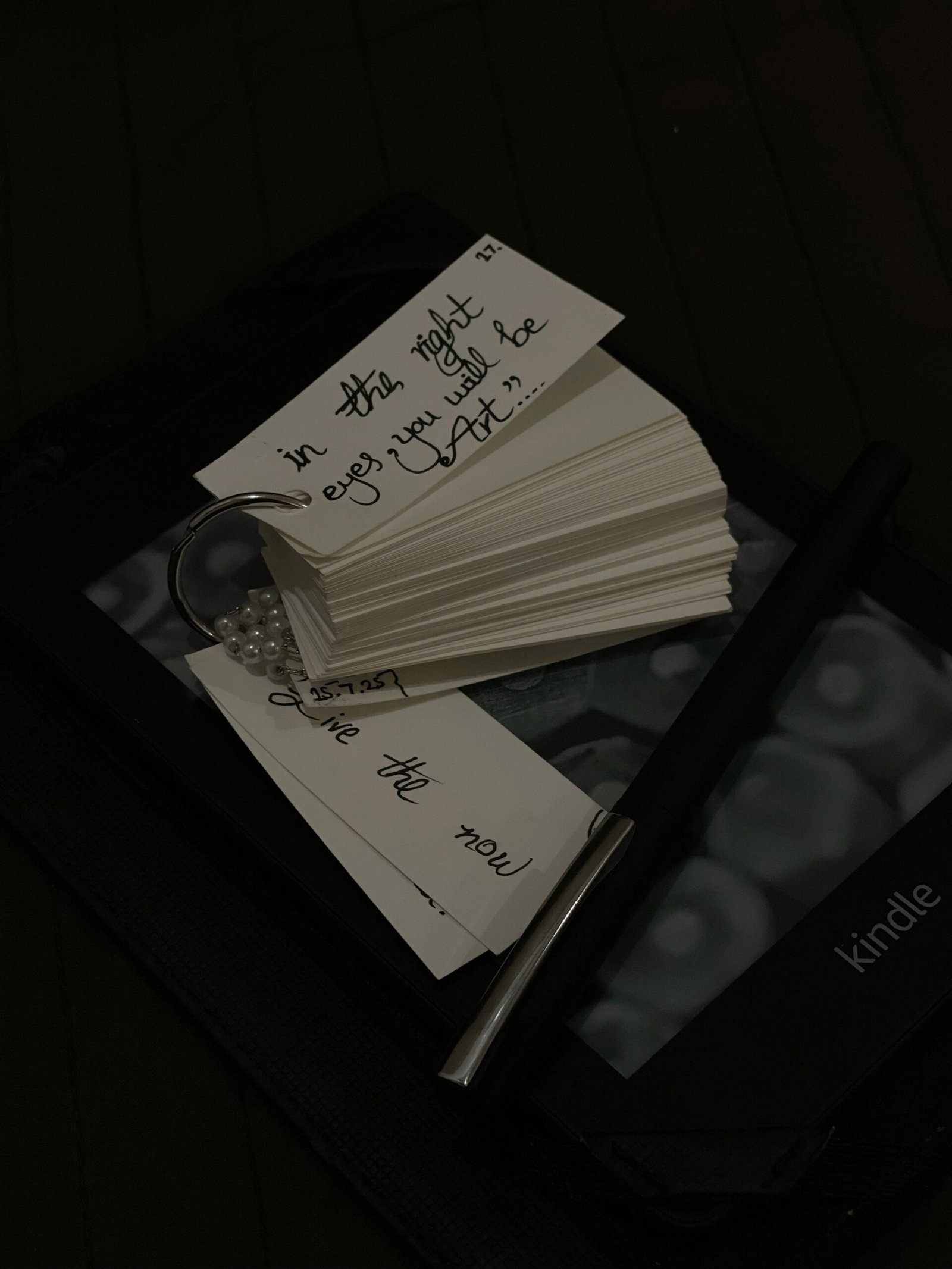
In 2025, Mandarin learners have access to AI tutors, powerful mobile apps, and personalized smart study tools. Yet one classic technique continues to outperform many modern alternatives: Chinese flashcards.
Whether you prefer printed cards like these Vocabulary Flashcards or digital SRS apps, research consistently shows that flashcards boost memory, improve long-term retention, and help students learn Chinese fast.
A major 2024 study by Zarrati found that flashcards—especially digital ones—significantly strengthen active recall, increase engagement, support spaced repetition, and often outperform other learning methods entirely. For Mandarin learners dealing with tones, characters, and complex meanings, flashcards remain uniquely effective.
With the HSK system requiring learners to master a rapidly expanding list of vocabulary across six proficiency levels, having an efficient method for memorizing and retaining words has never been more important.
Below is a research-backed, practical guide to why flashcards continue to be one of the best Chinese study tools today.
Learning Mandarin vocabulary isn’t like learning French or Spanish. Each word carries multiple layers of information that your brain must store and retrieve accurately.
Chinese characters don’t give hints about pronunciation.
Two characters that look similar may sound completely different, and two characters that sound the same may have no visual similarity at all. This means learners must memorize the visual form of each character directly—its structure, strokes, and overall shape. Flashcards are ideal for this because they isolate the character visually, helping your brain form strong visual memory cues.
Mandarin is tonal, so changing the pitch pattern changes the meaning of a word.
Take ma, which can mean “mother,” “hemp,” “horse,” or “to scold” depending on tone. This adds an extra dimension to vocabulary that learners must master, not just recognize. Flashcards let you drill tone + pinyin + meaning together, strengthening the precise recall needed for accurate communication.
Many Chinese characters carry several meanings depending on context.
For example, 行 can mean “to walk,” “OK,” “row,” or “profession.” Word lists and apps often blur these meanings together, but flashcards allow you to study each sense separately, preventing confusion and building deeper understanding of how characters behave in different words.
In alphabetic languages, you constantly recognize words in daily environments—signs, menus, labels.
Mandarin doesn’t provide this passive reinforcement unless you live in a Chinese-speaking region. Learners must create repetition intentionally. Flashcards and spaced repetition systems (SRS) solve this by delivering controlled exposure at the exact intervals needed to strengthen long-term memory.
Zarrati (2024) highlights that flashcards trigger active recall, the process of pulling information out of memory. This is one of the most powerful ways to strengthen long-term retention.
When a learner looks at a card and attempts to remember:
…they activate deep memory pathways. Active recall works so well because the brain forms stronger connections when effort is involved.
This is why flashcards often lead to “sticky” vocabulary memory, even when other study tools don’t.

According to Zarrati, learners who use spaced repetition outperform those who use massed (crammed) study. Flashcards—especially digital ones—fit perfectly into an SRS system.
For Chinese, where forgetting a character’s tone, meaning, or shape is common, spaced repetition is a game-changer.
Zarrati’s study found something interesting: flashcards are fun for learners.
Digital flashcards in particular:
When studying Mandarin feels overwhelming, small victories—like flipping a card correctly—create consistent progress and motivation.
Zarrati (2024) compared flashcards to other vocabulary-learning methods and found that flashcards often performed better, especially for new word acquisition and long-term retention.
Flashcards excel in:
For Mandarin learners, these strengths line up perfectly with their needs.
Mandarin requires the learner to remember four key details for every word: shape, sound, tone, meaning. Flashcards allow learners to isolate each piece cleanly.
In short, flashcards simplify a very complex vocabulary system.
Here’s a simple breakdown of the study’s key points:
For Mandarin learners, these findings directly support daily flashcard use.

Using flashcards correctly is just as important as using them at all. These evidence-based habits ensure you get the maximum retention from every study session.
Daily, spaced sessions train your brain far better than long cramming sessions. Even a few minutes a day can create strong memory pathways if the reviews are consistent and well-spaced.
Speaking forces active engagement and helps lock tones into your auditory memory. This habit builds pronunciation accuracy and prevents tone mixing—one of the most persistent issues for Mandarin learners.
Writing activates motor memory, which reinforces stroke order, visual structure, and long-term character recognition. Even jotting the character once or twice strengthens recall dramatically.
Common words appear everywhere, so learning them first accelerates comprehension and helps you spot patterns across new vocabulary. These become the foundation for sentences, reading skills, and HSK progression.
Digital cards offer spaced repetition, automatic scheduling, and quick access on the go. Physical cards slow you down just enough to reinforce structure, handwriting, and visual memory. Combining both gives you the strengths of each method.
Predictable order makes your brain lazy. Shuffling forces you to recognize each word independently rather than relying on sequence or context, strengthening true recall.
Chinese vocabulary fades quickly if not maintained—especially tones and visually similar characters. Continual review ensures past learning stays active, forming a stronger base as you move into more advanced levels.
Here’s a clean comparison to help learners choose the right tool:
| Feature / Tool | Flashcards | Apps | Word Lists |
| Active Recall | ⭐⭐⭐⭐⭐ | ⭐⭐⭐⭐ | ⭐⭐ |
| Spaced Repetition | ⭐⭐⭐⭐⭐ | ⭐⭐⭐⭐⭐ | ⭐ |
| Engagement | ⭐⭐⭐⭐ | ⭐⭐⭐⭐⭐ | ⭐ |
| Beginner-Friendly | ⭐⭐⭐⭐⭐ | ⭐⭐⭐⭐ | ⭐⭐ |
| Tone Mastery | ⭐⭐⭐⭐ | ⭐⭐⭐ | ⭐ |
| Visual Character Memory | ⭐⭐⭐⭐⭐ | ⭐⭐⭐⭐ | ⭐⭐ |
| Long-Term Retention | ⭐⭐⭐⭐⭐ | ⭐⭐⭐⭐ | ⭐ |
| Quick Review | ⭐⭐⭐⭐⭐ | ⭐⭐⭐ | ⭐⭐ |
| Offline Use | ⭐⭐⭐⭐⭐ | ⭐ | ⭐⭐⭐⭐⭐ |
| Customization | ⭐⭐⭐⭐⭐ | ⭐⭐⭐⭐ | ⭐ |
Conclusion:
Flashcards win in the areas that matter most for Chinese: active recall, character memory, tone accuracy, and long-term retention.
AI tools can personalize your grammar, generate examples, and analyze your pronunciation. But AI cannot replace the brain’s need for retrieval practice.
Flashcards provide:
AI helps you understand Chinese.
Flashcards help you remember Chinese.
Use both—and your learning speed doubles.
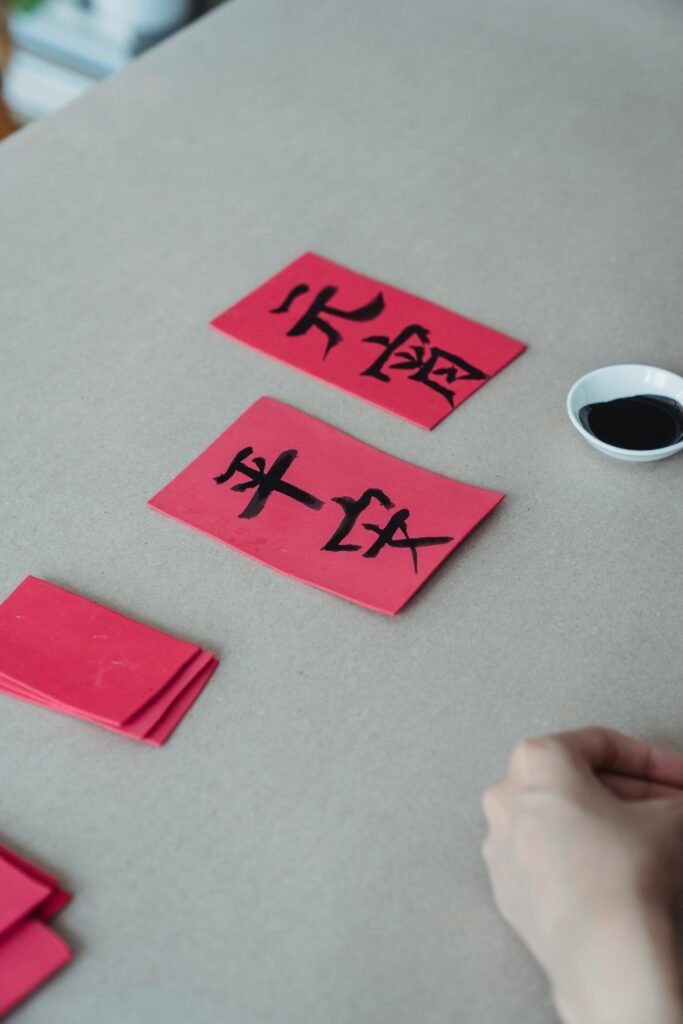
Preparing for the HSK exam requires quick, accurate recognition of hundreds (or thousands) of vocabulary items. Using HSK flashcards helps learners drill vocabulary efficiently while staying aligned with official test levels.
Flashcards remain one of the most effective HSK study tips for all levels.
Even with advanced AI tutors, smart apps, and personalized learning platforms, flashcards remain one of the best ways to learn Chinese fast.
Zarrati’s research confirms what learners have known for decades:
For Mandarin vocabulary—where tone, shape, sound, and meaning must work together—flashcards fit perfectly.
And in a digital world full of distractions, sometimes the simplest tools are still the most powerful.