Physical Address
304 North Cardinal St.
Dorchester Center, MA 02124
Physical Address
304 North Cardinal St.
Dorchester Center, MA 02124


Traveling to China for the first time can feel both exciting and overwhelming. The country is vast, diverse, technologically advanced, and deeply rooted in traditions that stretch back thousands of years. Whether you are planning a short vacation or a longer adventure across multiple provinces, understanding what to expect before you go will save time, reduce stress, and help you enjoy a richer, more meaningful travel experience. This guide explores every major aspect of preparing for a trip to China: visas, safety, money, language, transportation, culture, food, and more — all written with extended detail and practical clarity.
China has become one of the world’s top tourism destinations not only for its iconic historical monuments but also for its modern megacities, efficient transport systems, regional cuisines, and unique cultural experiences. However, traveling here requires a bit more preparation than visiting some other countries. The goal of this guide is to provide a comprehensive foundation that empowers any traveler to feel confident, informed, and ready to explore China smoothly.
China’s visa system is more structured than many Western travelers expect. Most international visitors require a Tourist (L) Visa, which typically needs to be obtained through a Chinese consulate or visa service center before you arrive in the country. Applicants must provide passport information, travel itinerary, accommodation bookings, and, in some cases, proof of a return flight. Processing times vary, so it’s important to start the visa process at least one to two months before your trip.
In recent years, China has expanded visa-free or visa-on-arrival programs in certain cities for eligible nationalities, especially for short layovers or transit stays of 72–144 hours. These programs allow travelers to enter selected cities without a full visa, provided they meet strict rules about entry points, travel routes, and onward flights. Because these policies sometimes change based on regional regulations, it’s important to check the latest updates before making plans.
Travelers should ensure that their passport is valid for at least six months beyond the date of entry into China and contains at least one blank visa page. Copies of your passport, visa, hotel confirmations, and travel insurance should be saved digitally and printed as physical backups. Although immigration officers rarely ask for printed hotel reservations, it is wise to have them ready because some hotels require proof of your stay for registration purposes.
Travel health insurance is strongly recommended. While medical care in major Chinese cities is generally excellent, treatment can be expensive without coverage. Insurance also simplifies communication barriers by providing access to hospitals familiar with foreign travelers.
China is a highly connected, mobile-driven society where essential services run through apps. Foreign travelers often find the digital environment different from home, so downloading certain apps beforehand will significantly improve convenience. WeChat is indispensable; it functions as a messaging tool, payment platform, translator, and mini-program ecosystem for reservations and local services. Alipay is equally useful for mobile payments, though many travelers rely on one or the other.
Other helpful apps include Gaode Maps (Amap) or Baidu Maps for navigation, Ctrip (Trip.com) for booking trains and hotels, DiDi for ride-hailing, and Pleco for translating Chinese text and signs. Installing them before your trip avoids connection issues and allows immediate use upon arrival.
Cash is accepted in most places, but China increasingly operates on a digital-first payment system. Street vendors, metro stations, convenience stores, restaurants, and tourist attractions all accept QR code payments through WeChat Pay or Alipay. Foreign bank cards can now be linked to both platforms, but the setup process may require identity verification and a stable Internet connection.
For travelers uncomfortable with mobile payments, it’s wise to carry a mix of payment methods. Credit cards are accepted in upscale establishments, while cash remains useful in small towns, rural areas, and traditional markets. However, having at least one mobile wallet greatly enhances convenience and reduces communication barriers.
Although many people in major cities speak some English, especially at hotels, airports, and international restaurants, China is still largely a Mandarin-speaking environment. Basic Chinese skills significantly enhance travel in taxis, restaurants, local markets, and cultural attractions. Even simple phrases such as greetings, numbers, food vocabulary, and polite expressions will make daily interactions much smoother and often more enjoyable.
China’s signage system is improving, but in many settings, particularly outside central tourist areas, English translations may be inconsistent or absent. Being able to recognize common characters like 门 (door), 出口 (exit), 公交 (bus), and 餐厅 (restaurant) helps travelers navigate independently.
Check out our article on 20 Most Useful Chinese Phrases for Travelers
Before arrival, learning essential phrases can make a significant difference. Using flashcards — physical cards or digital apps like Pleco, Skritter, or Anki — is one of the most effective ways to build a functional vocabulary quickly. Flashcards help travelers memorize key words for ordering food, asking directions, buying tickets, or addressing problems.
A small phrasebook or offline translator app is also recommended. While translation technology has advanced dramatically, offline tools ensure you can communicate even without data. Practicing pronunciation beforehand, especially tones, helps prevent misunderstandings when speaking Mandarin in real-life situations.
China’s currency is the Renminbi (RMB), also called the Yuan (CNY). Banknotes are issued in denominations from 1 to 100 yuan, while coins are more commonly used for small transactions. Foreign visitors can exchange currency at airports, hotels, and banks, though rates may vary. Using ATMs in China is generally safe, but you should notify your bank before traveling to avoid withdrawal issues.
While digital payments dominate daily life, cash is still accepted, particularly in rural regions or older establishments. Carrying a small amount of local currency ensures flexibility when mobile payments or card transactions aren’t an option.
China’s cost of travel varies significantly depending on the region and your travel style. Major cities such as Beijing, Shanghai, Shenzhen, and Guangzhou tend to be more expensive, with hotel prices similar to those in Western capitals. In contrast, cities in central and western China generally offer more affordable accommodation, meals, and transportation.
Backpackers can expect to spend moderately, especially if they opt for hostels, street food, and public transport. Mid-range travelers will find that China provides excellent value, thanks to efficient infrastructure and abundant dining options. Luxury travelers will find high-end hotels, upscale dining, and premium experiences comparable to global standards.
China’s transportation system is one of the most advanced in the world. Major cities feature extensive metro networks that are clean, fast, and affordable. Metro apps display bilingual maps and allow easy trip planning. Trains are a preferred option for intercity travel, especially high-speed trains, which connect dozens of major destinations at speeds reaching 350 km/h.
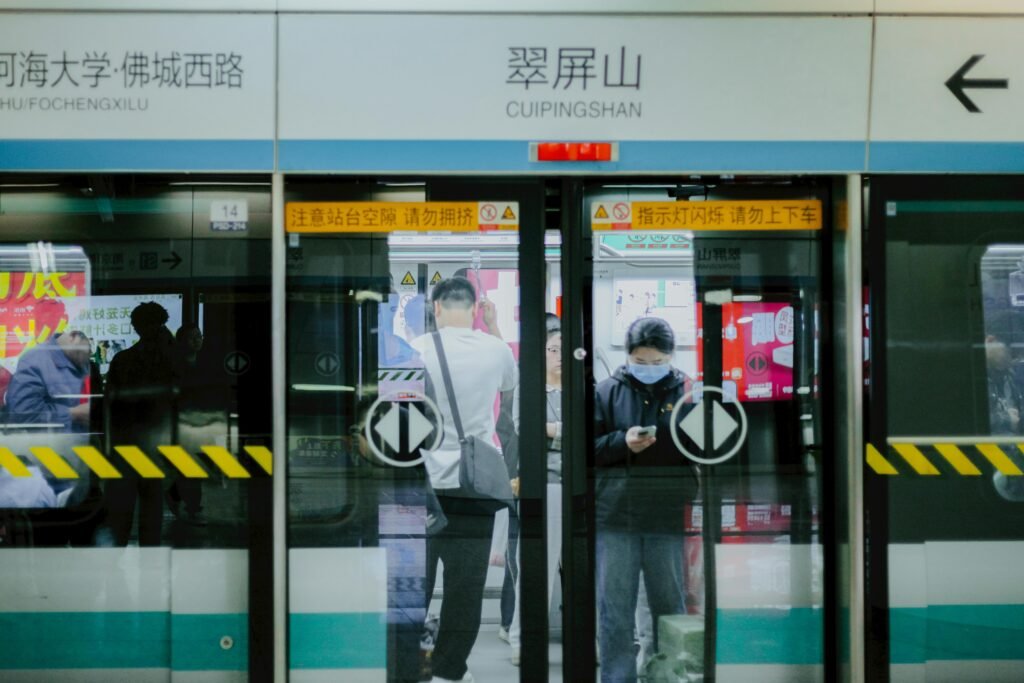
For long distances, domestic flights are widely available. However, airports can be extremely busy during holiday seasons, so travelers should allow extra time for check-in and security. The efficiency and comfort of China’s high-speed trains often make them a better choice for distances under 1,000 km.
Taxis are widely available, but not all drivers speak English. Having your destination written in Chinese characters is essential. Ride-hailing through DiDi provides a more foreigner-friendly experience, as the app includes bilingual options and transparent pricing.
Buses are the cheapest option, but they can be challenging for beginners due to limited English signage. For urban exploration, walking is often the best way to experience local culture, though city blocks in China can be long, so checking distances beforehand is important.
Chinese culture places strong emphasis on politeness, respect, and communal harmony. Small gestures, such as using both hands to receive items, waiting your turn in lines, and speaking softly in public spaces, contribute to positive interactions. Compared to Western cultures, physical touch is less common among strangers, but hospitality is warm and sincere once conversation begins.
Travelers should also pay attention to table manners. For example, it’s common for hosts to serve guests first, and sharing dishes is the norm in Chinese dining culture. Refusing food repeatedly may be interpreted as impolite, so travelers are encouraged to try at least a small portion before declining.

Discussing political or sensitive topics with locals is generally discouraged, especially with people you’ve just met. Most travelers find that focusing on culture, food, travel, and daily life leads to more comfortable and enjoyable conversations. Understanding that cultural differences exist and approaching situations with patience helps prevent misunderstandings.
Photography etiquette is also important. While China offers countless photogenic scenes, always ask permission before photographing individuals, especially in temples, monasteries, or rural areas. Respecting cultural and religious spaces ensures a more meaningful experience and avoids potential conflict.
China’s cuisine varies dramatically across regions. Travelers will encounter spicy dishes in Sichuan and Chongqing, light and fresh flavors in Shanghai and Jiangsu, hearty northern wheat-based foods, and seafood-rich Cantonese cuisine in the south. Every province has distinctive ingredients, cooking methods, and specialties that form part of its cultural identity.
For tourists, trying regional foods is one of the most rewarding aspects of traveling in China. Most larger cities offer bilingual menus, but smaller restaurants may rely entirely on Chinese text. Having a few food-related words memorized or using a translation app can make ordering easier and more enjoyable.
Chinese restaurants often serve dishes family-style, placed in the center of the table for everyone to share. Travelers unfamiliar with chopsticks can request forks or spoons, but in most cases, trying chopsticks adds to the cultural experience. Portions are usually generous, so ordering a few dishes to share is more practical than ordering individually.

Street food is delicious and widely available, but travelers with sensitive stomachs should approach with caution. Choosing vendors with visible hygiene standards and high customer traffic reduces risk. Bottled water is recommended, as tap water is not commonly consumed.
China is considered one of the safest countries for tourists. Crime is extremely rare, particularly in major urban areas. However, standard travel precautions still apply: keep valuables secure, avoid displaying large amounts of cash, and be cautious in crowded tourist zones where pickpocketing can occur.
Traffic can be unpredictable, especially in big cities where electric scooters and bikes share the roads. Pedestrians should always look both ways when crossing, even at marked crosswalks. Following local road behavior and remaining attentive will significantly improve safety.
Medical care in China varies by region, with large cities offering modern hospitals and English-speaking staff. Travelers should bring any prescription medications they require, as certain brands may not be available locally. Over-the-counter medications are accessible but may not match formulations used in Western countries.
Air quality can fluctuate, especially in northern cities during winter. Sensitive travelers may benefit from carrying a mask for days when pollution levels rise. Staying hydrated, avoiding excessive alcohol during hot summers, and wearing sunscreen contribute to more comfortable travel.
Packing appropriately for China depends heavily on the season and regions you plan to visit. Summer is hot and humid, particularly in southern provinces, while winters in northern cities like Beijing can be extremely cold. Layered clothing is recommended, as temperature differences between indoors and outdoors can be significant.
A bilingual phrasebook, portable battery, adapters for Chinese outlets, and a reliable backpack all make travel more manageable. While many items can be purchased in China, certain travel essentials like sunscreen, deodorant, and over-the-counter medicines may differ in availability or formulation from what travelers are used to.
Since mobile payments and digital maps are central to daily life in China, having a reliable power bank ensures your devices stay charged throughout the day. An unlocked phone capable of using local SIM cards is highly recommended. Bringing a lightweight rain jacket is also useful, especially during the summer monsoon season in cities like Guangzhou, Shenzhen, and Hangzhou.
Comfortable walking shoes are essential, as sightseeing typically involves long hours on foot. Even in major cities, attractions like parks, historical villages, and temple complexes require substantial walking.
Many first-time visitors explore what’s often called the “Golden Triangle” of China: Beijing, Xi’an, and Shanghai. This itinerary blends ancient history, modern skylines, and cultural variety. In Beijing, travelers can visit the Great Wall, the Forbidden City, and the Temple of Heaven. Xi’an offers the Terracotta Army, ancient city walls, and traditional markets. Shanghai showcases futuristic architecture, riverfront views, and vibrant nightlife.
Traveling between these cities is easy thanks to high-speed trains and frequent flights. Three to four days in each city provides enough time to see major attractions without rushing.
Looking for unique places to travel to in China? Check out our article on the Hidden Gems of China
For travelers craving deeper exploration, regions like Guilin and Zhangjiajie offer breathtaking landscapes. Yunnan Province provides a blend of ethnic diversity, mountain scenery, and ancient towns like Lijiang and Dali. Meanwhile, Chengdu is ideal for food lovers and panda enthusiasts.
Each destination has its own identity, and exploring beyond major cities offers a more complete picture of China’s cultural and natural richness.
Traveling to China offers a unique combination of ancient culture, modern innovation, and natural beauty. Preparation is essential because the country operates differently from many Western destinations, but this guide provides the foundation needed to travel with confidence. Understanding visas, apps, money, language, and cultural expectations sets you up for a more rewarding experience.
For visitors eager to deepen their connection with Chinese culture, exploring language resources, reading additional travel guides, or planning multi-city itineraries can extend the value of your trip long before you board the plane. China is vast, diverse, and dynamic — and with the right knowledge, your journey will be smooth, enriching, and unforgettable.
Want more travel tips for China? Check out our Travel Page for in depth travel guides and tricks for China!