Physical Address
304 North Cardinal St.
Dorchester Center, MA 02124
Physical Address
304 North Cardinal St.
Dorchester Center, MA 02124

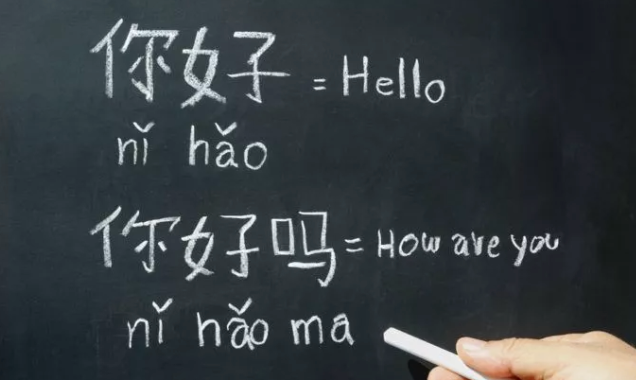
Learning Mandarin is commonly perceived as a difficult language because it doesn’t resemble English, Spanish, German, or other Indo-European languages. However, learning difficulty often comes from a lack of structure. The HSK curriculum and modern spaced-repetition flashcards now give learners a clear roadmap—one that reduces overwhelm and accelerates retention.
Key points:
Chinese characters appear intimidating, but they are far more learnable with today’s tools.
Characters are logographic, meaning each symbol conveys meaning rather than sound. This means:
Additionally, learners often feel discouraged by the large number of characters needed for reading fluency.
Modern learners no longer memorize characters randomly. Instead, they follow the HSK system, which introduces vocabulary in a logical, structured order:
Pairing HSK vocabulary with flashcards it turns character learning into a predictable, scientifically optimized process.
Spaced repetition handles the timing for you—showing difficult characters more often and easier ones less frequently. This transforms memorization from guesswork into something sustainable and measurable.
Tip: Start with recognition, not handwriting. Recognizing characters helps you read faster and reduces early frustration.
Common Mistake: Trying to memorize characters without a structured list. Using HSK vocabulary prevents random study and ensures long-term progress.

Tones are often the scariest part of learning Mandarin.
Mandarin uses four tones (plus a neutral tone), and tone changes meaning. Learners struggle because:
This requires re-training your ear, which can feel unnatural at first.
Learning tones is much easier when integrated with:
Because every HSK word has standardized audio, learners naturally internalize tone patterns while reviewing daily flashcards. Over time, tones feel less like memorization and more like rhythm.
Tip: Add audio to every flashcard deck so that you hear tones each time you study.
Common Mistake: Memorizing tones separately from the word. Always learn tones as part of the vocabulary unit.
Grammar is one of the areas where Mandarin becomes dramatically easier for English speakers.
Mandarin has:
You can learn basic sentence structures within just a few weeks.

The deeper layers involve:
These challenges resolve naturally through exposure. Learners following HSK levels encounter these structures gradually, in manageable increments.
Tip: Learn high-frequency sentence patterns early—they appear everywhere in HSK dialogues and reading practice.
Common Mistake: Trying to master grammar rules before building vocabulary. Vocabulary drives understanding in Mandarin.
Listening comprehension is where many intermediate learners feel stuck.
Natural Mandarin:
This increases cognitive load for beginners.
The HSK program includes graded listening tracks that help learners progress step-by-step:
Building listening skill becomes much easier when you follow this natural progression instead of jumping straight into full-speed dramas.
Tip: Listen to the same audio several times across multiple days to improve both tone recognition and vocabulary retention.
Common Mistake: Only listening to native-speed material too early. Graded audio builds skill more efficiently.
Speaking Mandarin involves mastering pronunciation, tones, and sentence patterns.
With no verb endings or conjugations, sentences are easy to build once you know the vocabulary. Learners typically reach conversational ability faster than expected.
The main challenge is:
This is precisely where the HSK system and flashcards provide structure—ensuring you always learn the most useful words first.
Tip: Turn every HSK vocabulary word into a speaking prompt (“Use this in a sentence”).
Common Mistake: Avoiding speaking until “ready.” Speaking early solidifies tone patterns.
Mandarin vocabulary can feel huge, but it’s extremely systematic.
Mandarin forms new words by combining characters, creating many compounds and synonyms that look similar.
The HSK divides vocabulary into manageable sets:
Flashcard apps track your progress through each level and automatically repeat the words you forget—removing guesswork and preventing burnout.
Tip: Review flashcards every day, even for just 10 minutes. Consistency produces exponential results.
Common Mistake: Learning random words instead of following the HSK. Structure accelerates progress.
Want to learn more about Flashcards? Read our article on why Flashcards are such a great tool when learning Mandarin
True fluency requires cultural awareness.
Chinese communication involves:
Understanding cultural context helps you choose the right tone, vocabulary, and formality.
The more you understand Chinese culture, the easier it becomes to interpret conversations, jokes, and idioms. HSK reading materials already introduce cultural content in small, digestible forms—another reason the system works well.
Learning Mandarin can be challenging due to its tones, character system, and grammar differences from English, but it is achievable with consistent practice and the right strategies. Key hurdles include memorizing vocabulary, distinguishing tones, and reading and writing Chinese characters, but using tools like flashcards, the HSK system, and daily listening and speaking exercises can significantly accelerate progress. With structured study, immersive practice, and persistence, learners can overcome difficulties and achieve functional fluency in Mandarin.