Physical Address
304 North Cardinal St.
Dorchester Center, MA 02124
Physical Address
304 North Cardinal St.
Dorchester Center, MA 02124


China has always been a destination that blends ancient civilization with cutting-edge innovation. As 2026 approaches, the country stands at the crossroads of cultural renewal, digital transformation, and sustainable travel. Whether you’re drawn to its vast landscapes, its cuisine, or its futuristic cities, traveling to China in 2026 offers something truly unique.
This in-depth guide explores 11 compelling reasons to travel to China, along with practical tips, local insights, and ideas for every kind of traveler — from history lovers to digital nomads.
China is entering a new age of eco-conscious tourism, where protecting the environment goes hand in hand with exploring it. The country’s tourism transformation in 2026 reflects its long-term commitment to global sustainability goals and its own “Beautiful China 2035” policy — a nationwide plan to ensure that tourism growth never comes at the cost of ecological preservation. From the misty forests of Yunnan to the tropical beaches of Hainan, travelers can now experience destinations designed with sustainability at their core.
Across China, cities and provinces are rolling out green tourism zones that integrate electric public transport, renewable energy-powered accommodations, and waste-free visitor centers. In Zhejiang, for instance, eco-resorts now blend traditional architecture with solar technology, while Yunnan’s national parks prioritize biodiversity conservation through strict capacity limits and carbon-neutral shuttle systems. Hainan, China’s southern island province, is leading the way with all-electric taxi fleets and coastal resorts that source 100% of their energy from wind and solar power.
One of the most innovative ideas is the introduction of “green travel credits” — a digital incentive program available through WeChat, Alipay, and travel platforms. Tourists earn credits for using public transportation, electric vehicle rentals, or eco-certified hotels, which can later be redeemed for discounts on attractions, souvenirs, or local experiences. This gamified approach has turned sustainability into a lifestyle choice rather than a restriction.
China’s national parks, including Jiuzhaigou and Zhangjiajie, have become models for sustainable management. Advanced AI-based visitor monitoring systems ensure that visitor numbers stay within environmental limits while optimizing crowd flow and reducing ecological strain. Many parks now include interactive environmental education zones, helping visitors understand the ecosystems they’re exploring.
Tip: Use WeChat’s Green Travel mini-programs to plan environmentally friendly routes, check real-time air quality data, and even calculate your personal carbon footprint. As China’s tourism continues to grow, these tools make it easy for travelers to enjoy the country responsibly while supporting its sustainability goals.
Few countries have redefined travel as dramatically as China, and by 2026, its high-speed rail (HSR) network — now exceeding 50,000 kilometers — stands as one of the most advanced and extensive in the world. The system connects almost every major region, allowing travelers to move between cities and provinces with speed, comfort, and sustainability that rival air travel. For visitors, the railway offers an unparalleled way to experience the country’s landscapes — from bustling megacities to remote mountain plateaus — all in a single, seamless journey.
The flagship route from Beijing to Shanghai, completed in just 4.5 hours, remains a showcase of speed and precision, linking China’s political and financial capitals with effortless efficiency. New scenic routes, such as the Chengdu–Lhasa line, are transforming access to western China, offering breathtaking views of the Tibetan Plateau, snowy mountains, and river valleys through panoramic car windows. These lines have also spurred regional development, making once-remote areas accessible for both domestic and international travelers.

A major innovation in 2026 is the launch of “Tourism Express” routes, designed specifically for leisure travelers. These trains feature panoramic viewing lounges, interactive digital maps, and onboard dining cars serving regional specialties that reflect the areas the train passes through. Some even offer AR-enhanced windows, allowing passengers to see virtual overlays of landmarks and cultural sites as they travel.
Beyond convenience, the expansion of the HSR network reflects China’s broader push toward low-carbon mobility. High-speed trains produce a fraction of the emissions of domestic flights, and with many lines now running on renewable electricity, they form a key pillar of China’s green transport strategy. As a result, domestic flights between major cities are steadily declining — trains are often cheaper, faster door-to-door, and far more environmentally sustainable.
Callout: For modern travelers, rail is the new way to see China — fast, scenic, and eco-friendly. Whether you’re gliding past rice paddies, deserts, or skyscrapers, the journey itself becomes a central part of the adventure.
China’s urban transformation is accelerating faster than ever, and by 2026, cities like Shenzhen, Hangzhou, and Chongqing have become global leaders in smart infrastructure and AI-powered living. In these cities, digital systems seamlessly connect transportation, payments, tourism, and even public safety. Foreign visitors can expect to experience cities where cashless convenience, real-time translation, and augmented reality (AR) are part of daily life.
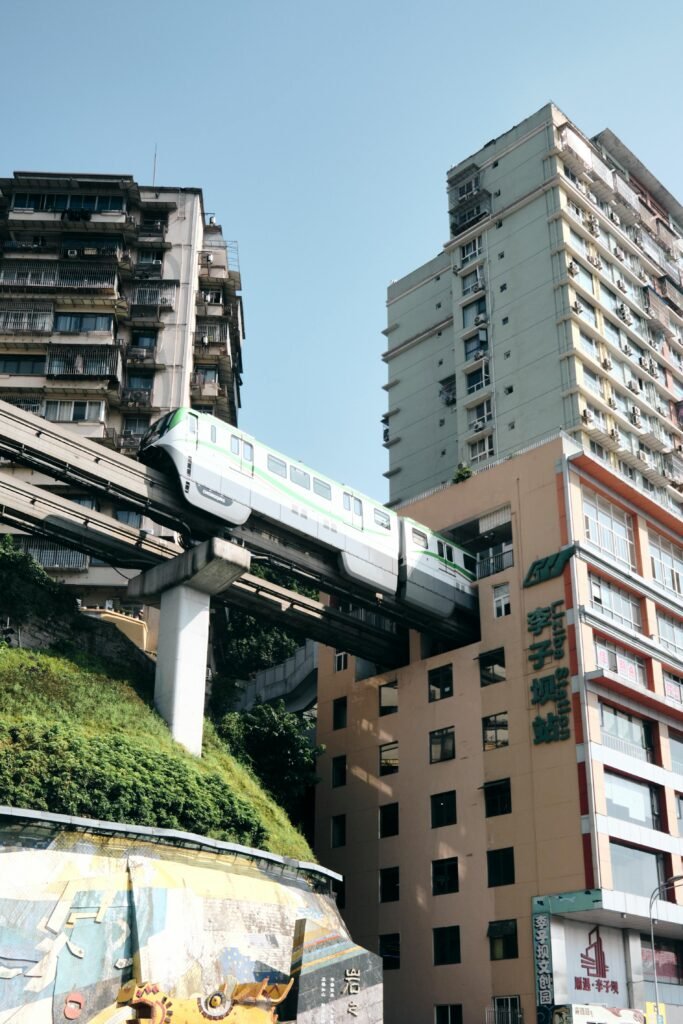
In Shenzhen, often called “China’s Silicon Valley,” the integration of 5G and soon 6G networks supports everything from driverless taxis to AI-guided museum tours. Visitors can use platforms like WeChat or Alipay to pay for anything — street snacks, train tickets, or even temple entry — all linked through verified digital IDs. In Hangzhou, home to Alibaba’s headquarters, smart tourism apps combine booking, translation, and navigation, allowing travelers to plan routes, find hidden attractions, and even access AR overlays that tell stories of local landmarks. Chongqing, a mountainous megacity, uses AI-driven transport management and 3D mapping to guide visitors through its multi-level streets and scenic riverfronts.
Cultural districts and museums are becoming increasingly interactive: places like the Palace Museum in Beijing and Shanghai’s Museum of Art now feature AR exhibits, AI-guided tours, and immersive storytelling powered by voice recognition and machine translation. With real-time video translation and wearable AR devices, language barriers are shrinking — making travel across China smoother and more inclusive than ever.
Side Note: To unlock these services, travelers must verify their identity through their passport when setting up Chinese mobile apps — a simple process that opens access to the full ecosystem of China’s digital life.
China’s culinary scene in 2026 is experiencing a vibrant fusion of tradition and technology, as chefs and food entrepreneurs reinvent regional dishes for a new generation. While traditional cuisines remain deeply rooted in history, innovation now plays a key role — from AI-assisted cooking to VR-enhanced dining experiences that merge storytelling and flavor.
In Chengdu, the home of Sichuan cuisine, AI technology has entered the hotpot scene. Smart dining tables and digital menus allow diners to adjust spice levels in real time, based on their heat tolerance, using sensors that measure individual preferences. Restaurants are also embracing sustainability by sourcing local ingredients and promoting regional pepper varieties and handmade chili pastes.

In Xi’an, one of China’s oldest capitals, night markets now blend history with virtual reality storytelling, letting visitors “step into” the Tang Dynasty as they sample ancient-style street foods like roujiamo (Chinese burgers) or biangbiang noodles. Vendors use QR codes to share the stories and origins of their recipes, creating a connection between past and present through technology.
Meanwhile, Shanghai has become a hub for modern Chinese fine dining, with Michelin-starred chefs crafting “tasting menus” that reinterpret classics such as Peking duck, dim sum, and Jiangnan seafood dishes using global techniques and artistic presentation. Smart restaurants even offer interactive wine pairings and AI recommendations based on the diner’s previous meals.
Yet beyond the big cities lies China’s true culinary soul. Exploring regional cuisines in Hunan, Fujian, or Guizhou reveals bold, authentic flavors rarely found abroad — from Hunan’s fiery chili dishes to Guizhou’s tangy fermented soups. These regions champion the idea of “farm-to-table tradition,” where local produce and age-old recipes reflect the essence of Chinese identity.
Pro Tip: Don’t limit yourself to major urban centers — some of China’s most unforgettable meals come from small-town eateries, family kitchens, and rural markets that keep the spirit of Chinese cuisine alive.

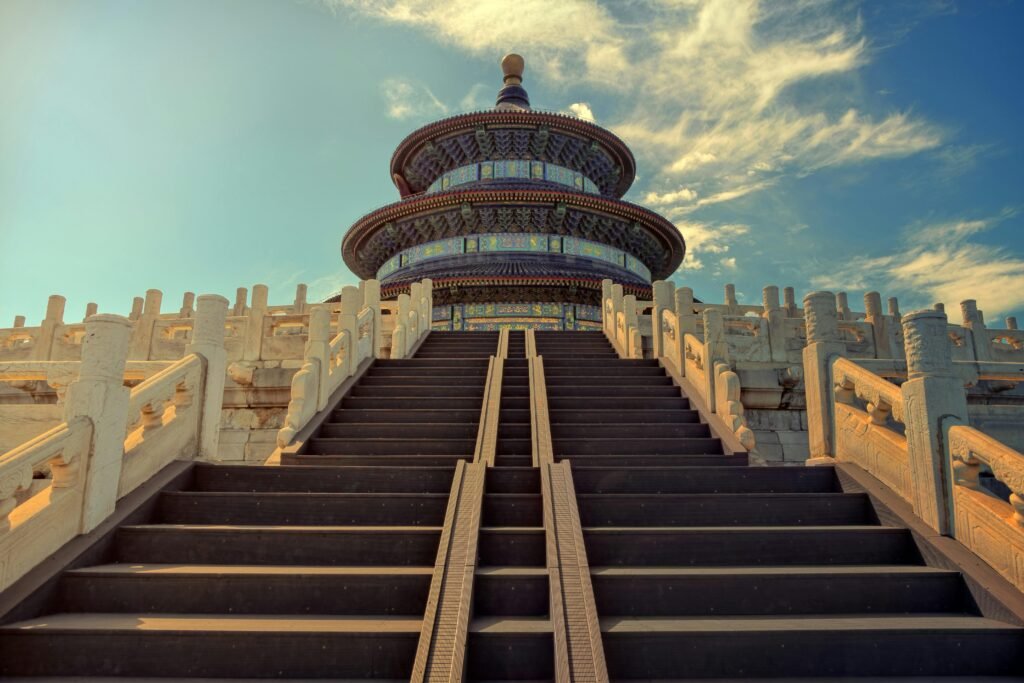
China’s architectural and cultural heritage continues to be one of its greatest draws, and by 2026, many historic sites have undergone major restorations and digital upgrades to enhance the visitor experience. With 56 UNESCO World Heritage Sites — ranging from ancient engineering marvels to timeless artistic achievements — travelers can experience thousands of years of history brought to life through modern technology.
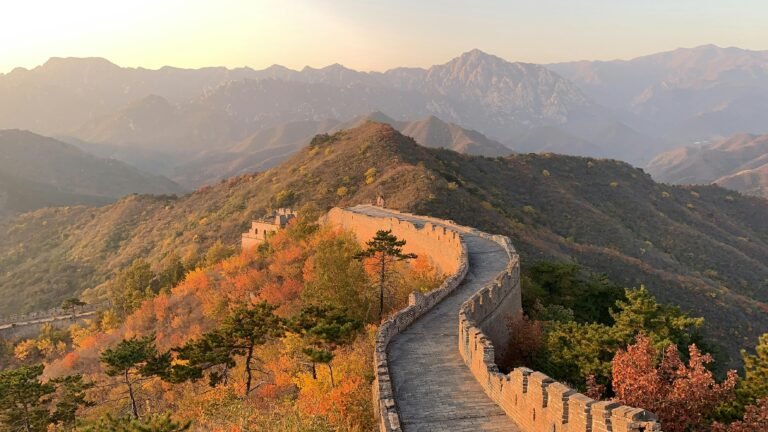
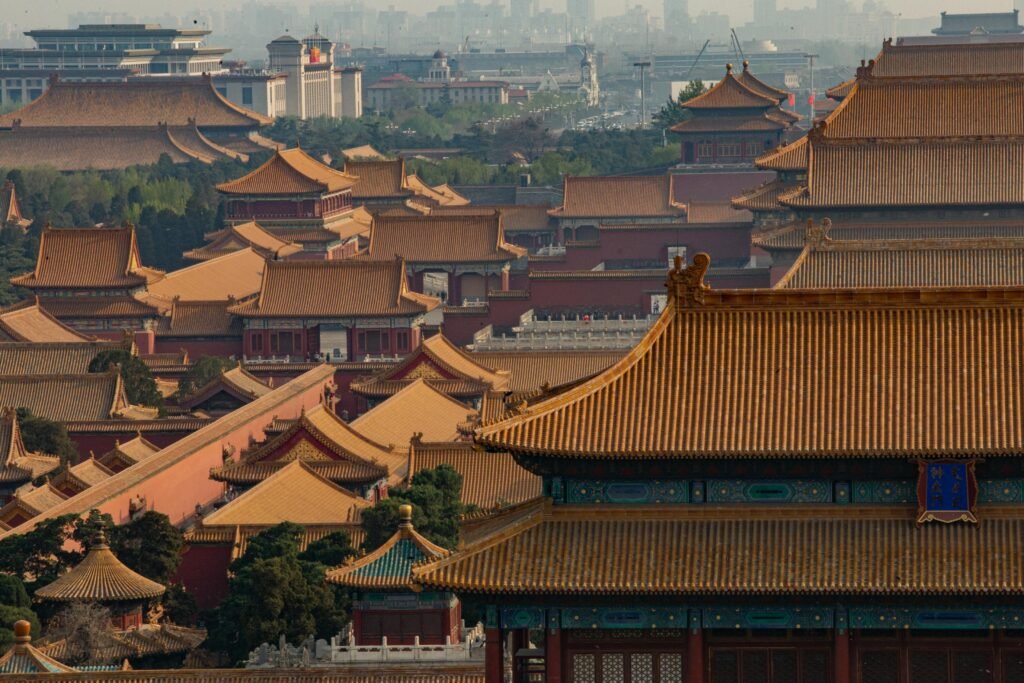
In Beijing, the Forbidden City remains a crown jewel, blending imperial grandeur with cutting-edge digital interpretation tools like AR reconstructions that let visitors visualize how the palace once looked in the Ming and Qing dynasties. Nearby, the Great Wall’s Jinshanling section offers a more rugged and authentic adventure — fewer crowds, breathtaking mountain scenery, and new eco-friendly hiking routes connecting restored watchtowers.
In Luoyang, the Longmen Grottoes reveal over 100,000 Buddhist statues carved into limestone cliffs, now enhanced with subtle lighting and projection mapping that highlight the artistry without damaging the carvings. Moving south, Hongcun, a picturesque ancient village in Anhui, transports visitors into a living museum of Ming and Qing architecture, where residents still maintain centuries-old traditions.
Beyond these icons, Suzhou’s classical gardens have reopened after restoration, showcasing exquisite landscaping and design principles that influenced East Asian aesthetics for centuries. Meanwhile, along the Silk Road routes in Xinjiang, newly accessible archaeological sites and interactive museums offer a deeper look into China’s role in connecting civilizations across Asia and Europe.
Together, these sites form a bridge between past and present — blending preservation, innovation, and cultural storytelling to make China’s heritage more engaging, accessible, and awe-inspiring than ever before.
China’s cultural calendar in 2026 is more dynamic than ever, reflecting a renewed national focus on heritage, creativity, and global exchange. With post-pandemic travel fully normalized and eased visa policies encouraging international visitors, cities across the country are hosting immersive festivals that blend ancient traditions with cutting-edge technology. Whether you’re drawn to traditional celebrations or modern art showcases, 2026 offers something for every traveler.
The year begins with Chinese New Year (February 2026), the most important holiday on the Chinese calendar. Streets across Beijing, Shanghai, and Guangzhou come alive with glowing lantern displays, temple fairs, and fireworks shows, while smaller towns host folk performances and dragon dances that capture the warmth of community spirit. Visitors can join locals in writing Spring Festival couplets, tasting dumplings and rice cakes, and exploring the modern touch of drone light shows replacing traditional fireworks in eco-conscious cities.

Further north, the world-famous Harbin Ice & Snow Festival reaches new creative heights with its “digital sculpture” theme — massive ice palaces and sculptures illuminated by projection mapping and AR effects that make the frozen cityscape shimmer with motion and color. Meanwhile, Shanghai International Film Festival continues to grow in prestige, spotlighting East-Asian co-productions and emerging Chinese filmmakers. Expect panel discussions, red-carpet events, and screenings that highlight the fusion of traditional storytelling and new cinematic technology.
In Hangzhou, the Cultural Week transforms the city into an open-air gallery, celebrating both traditional crafts and digital art innovations. Visitors can attend live calligraphy demonstrations, AI-assisted ink painting workshops, and interactive performances that merge dance, light, and music. Across the country, smaller festivals dedicated to tea culture, martial arts, poetry, and folk music are also attracting increasing numbers of international visitors.
Tip: Festival periods are peak travel times — book accommodations well in advance, especially in major cities and scenic areas, as hotels and high-speed train tickets often sell out months before the events..
Traveling to China in 2026 is more streamlined than ever, thanks to expanded visa-free transit policies, digital visa platforms, and simplified entry processes designed to attract more international visitors. The government’s “Smart Entry Initiative” integrates digital verification and biometric systems, allowing smoother airport arrivals and faster border crossings.
Travelers from many countries can now enjoy 144-hour visa-free stays in major hubs like Beijing, Shanghai, Chengdu, and Guangzhou. This policy allows six full days of exploration without a visa, provided you’re transiting through to a third destination. It’s perfect for short-term travelers looking to experience China’s highlights — for example, spending a few days touring the Great Wall or sampling Shanghai’s futuristic skyline before flying onward.
For longer stays, E-visas have become the standard. Applicants can complete the process entirely online — uploading documents, paying fees, and receiving digital approval within days, without visiting a consulate. The system supports multiple languages and even integrates with major travel apps, making the process simple and transparent. Additionally, Group E-visas now make multi-city travel easier for families, friends, or tour operators, allowing seamless entry and movement between participating cities under a unified permit.
These innovations reflect China’s broader strategy to boost inbound tourism and encourage cultural exchange. However, travelers should note that visa and entry policies vary by region, and some cities or provinces may have slightly different rules or documentation requirements.
Common Mistake: Assuming all visa-free or E-visa rules apply nationwide. Always check the latest updates from your local Chinese embassy or official visa portal before traveling — policies are updated regularly to reflect new international agreements.
Western China remains one of the world’s last great frontiers — a region where towering mountains, ancient cultures, and unspoiled wilderness meet. Stretching from the Himalayan foothills of Tibet to the lush rainforests of Xishuangbanna, this vast area offers landscapes as diverse as the people who inhabit them. By 2026, improved high-speed rail connections and eco-tourism initiatives have made these remote destinations more accessible, while still preserving their fragile ecosystems and cultural heritage.

In Sichuan Province, the breathtaking Jiuzhaigou Valley continues to enchant visitors with its turquoise lakes, snow-capped peaks, and cascading waterfalls. Post-restoration after past earthquakes, the park now features eco-friendly viewing platforms and digital conservation guides that educate visitors about local Tibetan and Qiang traditions. Tibet itself remains a spiritual heartland — with Lhasa’s Potala Palace and Namtso Lake offering a serene glimpse into Tibetan Buddhist life against a backdrop of pristine alpine scenery.
Further northwest, Xinjiang unfolds like an entire continent of its own. Travelers can explore the Taklamakan Desert’s golden dunes, the grasslands of Ili, and the ancient Silk Road cities of Kashgar and Turpan, where Uyghur culture, bazaars, and music bring history vividly to life. New cultural heritage trails now connect Silk Road ruins with local artisan communities, offering a richer and more personal travel experience.
In Yunnan, China’s most ethnically diverse province, nature and culture intertwine beautifully. The Yuanyang rice terraces form surreal, mirror-like landscapes at sunrise, while Dali and Lijiang blend Naxi, Bai, and Yi traditions with bohemian cafés and mountain views. Xishuangbanna, near the border with Laos and Myanmar, offers a completely different ecosystem — tropical rainforests teeming with rare flora and fauna, elephant sanctuaries, and Dai minority villages known for their warm hospitality.
Callout: Western China is perfect for travelers seeking adventure and authenticity — hiking, photography, or simply immersing in the traditions of ethnic communities far from the crowds of the eastern megacities.
As remote work becomes the global norm, China’s tier-2 cities — including Chengdu, Dalian, Qingdao, and Kunming — are emerging as vibrant hubs for digital nomads, entrepreneurs, and creative professionals. These cities combine modern infrastructure with a relaxed pace of life, offering a balance that appeals to those seeking cultural immersion without the intensity or cost of Beijing or Shanghai.
Chengdu, famous for its teahouses and laid-back lifestyle, now boasts dozens of co-working spaces, startup incubators, and international community cafés where tech workers and artists collaborate. Qingdao, a coastal city known for its beaches and European-style architecture, attracts freelancers drawn to its clean air, seaside living, and strong internet connectivity. Meanwhile, Dalian has positioned itself as a tech outsourcing and creative hub, with new cultural exchange centers hosting hackathons, design exhibitions, and networking events that welcome foreign professionals.
China’s digital infrastructure — from high-speed 5G networks to robust e-commerce ecosystems — makes remote work highly efficient. Combined with affordable living costs, safe urban environments, and a growing expat-friendly community, these cities are becoming magnets for global talent. The government has introduced pilot visa programs in places like Hainan and Shenzhen, aimed at attracting entrepreneurs, researchers, and cultural exchange participants, some of which allow longer stays and co-working access under special permits.
Culturally, these hubs also offer rich social lives: language exchange meetups, innovation summits, and creative festivals bring locals and foreigners together, fostering collaboration and friendship. Remote workers can enjoy a cappuccino in a Chengdu café one morning and join a coding bootcamp or art jam the next.
Pro Tip: Before arriving, download foreign-friendly VPN alternatives approved for legal use, and review local internet and data regulations to ensure compliance. Understanding the digital landscape will make working and living in China smooth, secure, and rewarding.
China’s 2026 “Beautiful China” campaign marks a new era of tourism that places sustainability, cultural authenticity, and digital innovation at its core. Moving away from fast-paced sightseeing, the campaign promotes slower, more meaningful travel — encouraging visitors to engage deeply with the country’s diverse landscapes and communities while leaving a lighter footprint. It’s not just about seeing China’s beauty, but experiencing it responsibly.
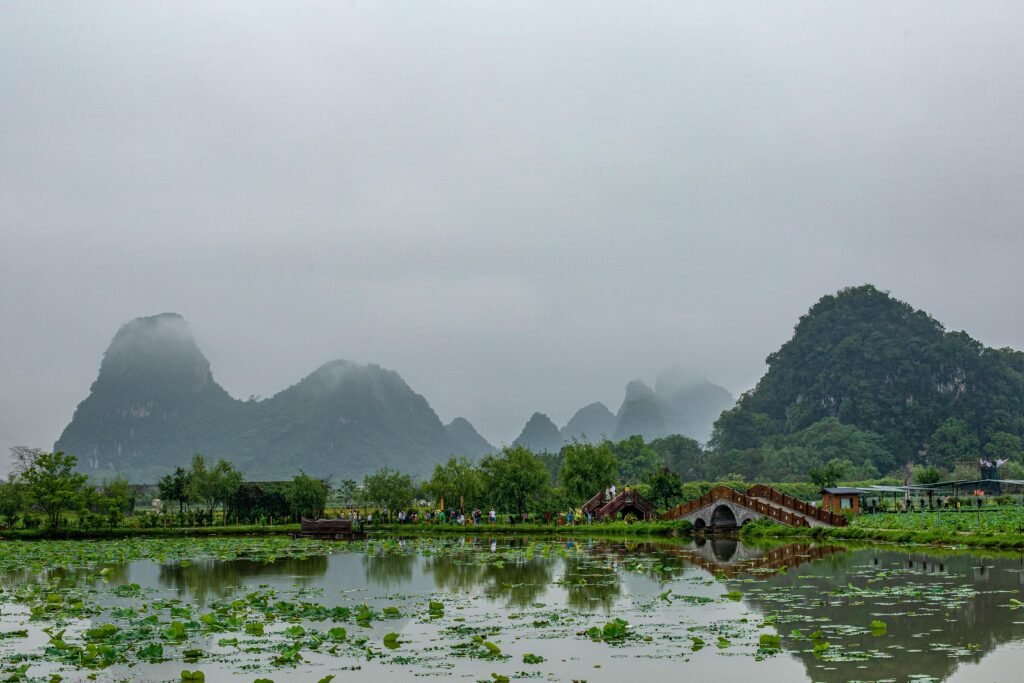
Across regions like Guilin, Lijiang, and Zhangjiajie, eco-lodges and boutique guesthouses are leading this transformation. Built using local materials and traditional designs, these lodgings integrate modern comfort with environmental mindfulness — solar panels, waste reduction systems, and organic gardens are now the norm. Guests can participate in farm-to-table dining experiences, learning how local farmers cultivate the ingredients that shape regional cuisine, and even join workshops on handicrafts, such as batik, paper-cutting, and pottery.
The government’s “village stay” programs have expanded nationwide, inviting travelers to live with rural families for short stays. This immersive form of tourism allows visitors to experience local festivals, agricultural life, and community customs — from tea picking in Fujian to embroidery in Guizhou. For host families, it brings income and recognition while helping preserve intangible cultural heritage.
China is also taking bold steps toward green tourism, partnering with global sustainability organizations to develop certification systems for eco-friendly accommodations and attractions. On digital platforms like Alipay and Ctrip, the new “Green Tourism Challenges” reward travelers for making sustainable choices — such as using public transport, booking certified eco-hotels, or reducing plastic use — with digital badges, points, and local discounts.
Ultimately, the “Beautiful China” campaign reflects a national shift toward tourism that supports cultural preservation, environmental balance, and human connection. It invites both domestic and international travelers to discover a China that values depth over speed — one where every journey contributes to a greener, more harmonious future.
Perhaps the most inspiring development in 2026 is the renewed cultural and intellectual exchange between East and West. After years of limited international movement, China is reopening not just its borders, but its dialogues — embracing global collaboration in art, education, science, and travel. This reconnection offers travelers the chance to rediscover how China’s history, philosophy, and creativity continue to influence the world.
A centerpiece of this revival is the restoration and modernization of Silk Road museums across Xi’an, Dunhuang, and Kashgar. These institutions now use immersive storytelling, holographic exhibits, and multilingual narration to explore ancient trade, migration, and cross-cultural exchange — showing how the Silk Road was not just a route of commerce, but of ideas, religion, and art.
In the cultural capitals of Shanghai and Beijing, international art residencies and design collectives are flourishing, hosting artists, filmmakers, and architects from around the world. These programs encourage collaboration between Chinese creators and global peers, leading to exhibitions that blend traditional craftsmanship with contemporary expression. Visitors can attend open studios, film screenings, and cultural salons that reflect a spirit of shared curiosity and creativity.
At the same time, there’s a growing enthusiasm among ordinary Chinese citizens for language exchange, global friendships, and cultural dialogue. Universities, cafés, and cultural centers are hosting conversation nights, exchange programs, and volunteer initiatives where locals and visitors connect over shared interests — from music to martial arts, philosophy to food.
Travel in 2026, therefore, represents more than movement; it’s part of a broader reconnection between civilizations. To journey through China now is to witness the rekindling of an age-old bridge — one that unites East and West through understanding, creativity, and shared humanity.
Traveling to China in 2026 offers a wealth of experiences for every type of traveler, combining rich history, natural beauty, and modern innovation. Visitors can explore iconic landmarks like the Great Wall, the Forbidden City, and the Terracotta Army, while also enjoying stunning landscapes such as Zhangjiajie, Guilin, and Jiuzhaigou. China’s diverse culture comes alive through local festivals, regional cuisine, and traditional arts, alongside vibrant urban experiences in cities like Shanghai and Shenzhen. Adventure seekers can hike mountains, cruise rivers, or experience high-speed rail journeys, making 2026 an ideal time to discover China’s unique blend of ancient heritage and modern dynamism.