Physical Address
304 North Cardinal St.
Dorchester Center, MA 02124
Physical Address
304 North Cardinal St.
Dorchester Center, MA 02124

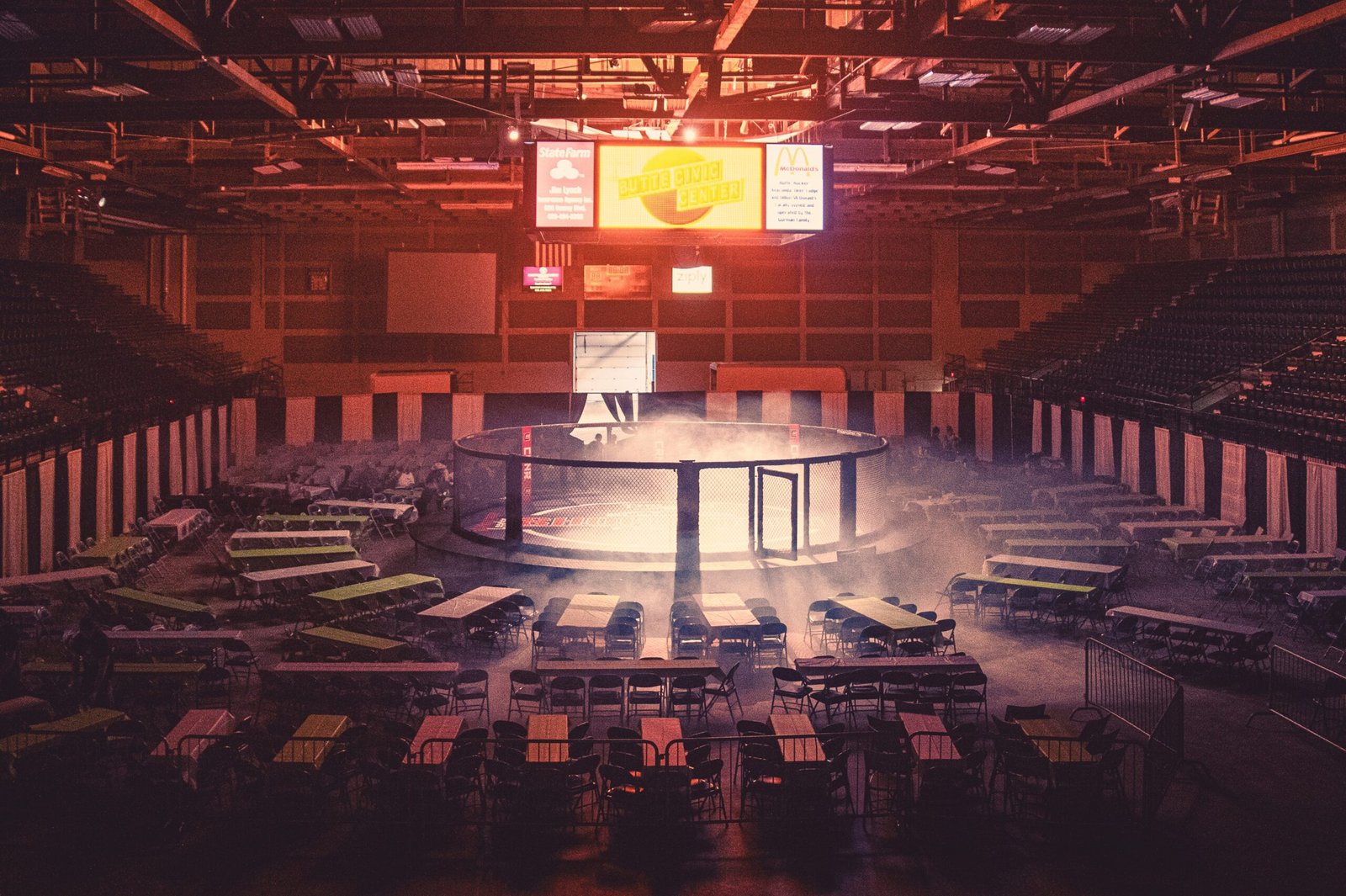
Mixed martial arts (MMA) has traditionally been seen as a Western phenomenon, dominated by the USA, Brazil, Japan and a few others. But in recent years, China has emerged as a rising frontier for this global sport. With growing investment, high-level athletes, and the development of training infrastructure, Chinese fighters and organisations are making serious inroads. This article examines how MMA is developing in China — the key players, the training institutions, the social and cultural dynamics — and what it means for the future of combat sports in a nation of over 1.4 billion.
China’s sports industry is no longer focused only on traditional Olympic disciplines, basketball, or table tennis. There is a strong appetite for newer, more dynamic fields — including MMA. The sport offers appealing narratives: underdogs, transformation, spectacle.
When a Chinese athlete breaks into the global MMA stage, it creates a ripple effect of visibility. Zhang Weili’s success (see below) is a prime example — as China’s first UFC champion, her rise has inspired a generation of fighters.
The establishment of world-class training facilities (for example the UFC Performance Institute in Shanghai) and domestic promotion growth means athletes in China can now train professionally at home, rather than having to move abroad. This shifts the paradigm of “travel overseas to train” that many Chinese fighters have faced.
Traditional Chinese martial arts (wushu, sanda) have deep roots in the country. MMA is not replacing them but integrating and repackaging them for the modern era. For many young people it’s a pathway out of poverty, a way to gain recognition, and in some cases to travel the world.
Tip: When examining the rise of MMA in China, pay attention not only to elite fighters but also the grassroots — local gyms, youth academies, regional tournaments. These often indicate long-term growth.
Zhang Weili (张伟丽) rose from Hebei province in northern China to become the first Chinese-born champion in the Ultimate Fighting Championship (UFC) — in the strawweight division. Her ascendance created a new level of interest in MMA in China.
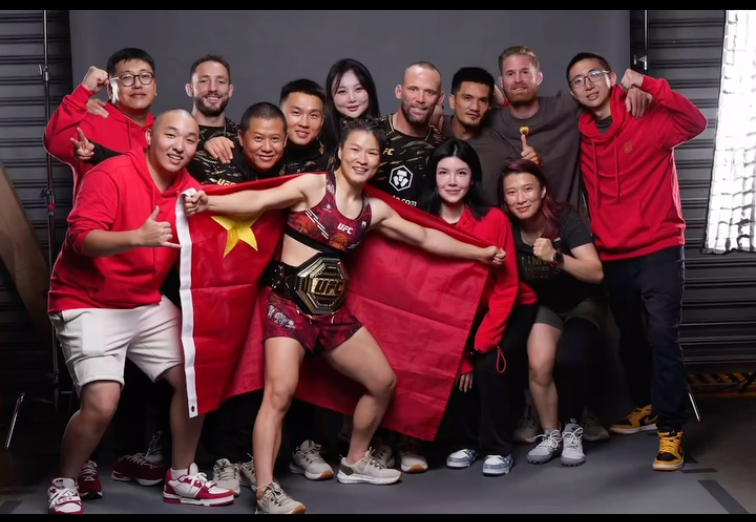
Image sourced from https://www.instagram.com/zhangweilimma/
In 2019 the UFC opened its largest global facility to date in Shanghai — the 92,000 sq ft Shanghai branch of the UFC Performance Institute. This facility offers technical training, sports-medicine clinics, nutrition labs, recovery zones and performance analysis suites.
Common Mistake: Assuming the mere presence of a facility equals immediate fighter success. While the institute is advanced, outcomes still depend on coaching quality, athlete talent, cultural acceptance and long-term investment.
The Enbo Fight Club in Chengdu (Sichuan province) is a unique case: founded by former police officer En Bo, it takes in orphans and children from impoverished areas and trains them in mixed martial arts. The club has trained hundreds of youth, some of whom are ethnic minorities from remote regions.
Tip: When evaluating MMA growth in China, don’t ignore grassroots institutes like Enbo — they may not be glamorous but they often drive the next generation of fighters.
The rise of MMA (Mixed Martial Arts) in China isn’t a passing fad — it’s a reflection of how modern Chinese sports culture is evolving. From homegrown champions to new world-class facilities, China’s MMA ecosystem is rapidly expanding and maturing. Here are the five key trends fueling this national movement.
One of the most powerful drivers of MMA’s growth in China is the emergence of local heroes. Fighters like Zhang Weili, Song Yadong, and Li Jingliang have proven that Chinese athletes can not only compete but win at the highest levels of the sport.
Their international success has inspired a new wave of fighters — both male and female — to train seriously and aim for global platforms such as the UFC, One Championship, and Road FC.
At the grassroots level, dozens of gyms across the country now offer integrated MMA programs, blending striking, wrestling, and jiu-jitsu — a massive shift from the traditional wushu-only or boxing-only training environments that dominated a decade ago.
Younger fans see these athletes not just as fighters, but as symbols of discipline, modern Chinese strength, and perseverance. The effect is cyclical: as local fighters succeed, more sponsorship, media, and government attention follow — pushing the sport further into the mainstream.
Positive Note: China’s next MMA champions are likely to emerge not just from big cities, but from the provinces — where academies like Enbo Fight Club are nurturing orphaned and disadvantaged youth into disciplined athletes with real opportunity.
Few developments show MMA’s momentum more clearly than the return of large-scale live events. With the UFC’s Shanghai Fight Night scheduled for August 2025, fans are once again getting to experience the energy and spectacle of professional MMA on home soil.
Live events have a unique impact in China — they attract sponsorships, mainstream media attention, and new fans who might never have watched the sport before. Stadiums packed with cheering audiences help transform MMA from an online niche into a nationally recognized sport.
Beyond the UFC, local and regional promotions like Art of War (AOW) and Wu Lin Feng (武林风) continue to thrive, giving domestic fighters the experience and exposure they need to climb the professional ranks.
Online platforms such as Douyin, Bilibili, and Tencent Sports have also amplified MMA’s visibility. Highlight reels, interviews, and behind-the-scenes training clips draw millions of views, creating digital fandoms that connect Chinese MMA with a younger, tech-savvy audience.
Why it matters: A strong event ecosystem keeps fans engaged, builds excitement, and drives continuous investment from both sponsors and broadcasters.
China is no longer an outsider when it comes to MMA training infrastructure. The UFC Performance Institute in Shanghai — the largest of its kind in the world — symbolizes this transformation. It provides advanced facilities for athlete rehabilitation, biomechanics, nutrition, and sports science, all within China’s borders.
This means Chinese fighters no longer need to train abroad to reach international standards. Local gyms, inspired by the UFC’s example, have begun adopting similar data-driven, science-based approaches to conditioning and injury prevention.
Cities such as Beijing, Chengdu, and Shenzhen are seeing a rise in hybrid gyms that combine Chinese martial arts traditions with modern MMA disciplines. These institutions are fostering collaboration between sanda fighters, wrestlers, and BJJ practitioners — a mix that produces more versatile athletes.
Positive Outlook: China’s training ecosystem is becoming self-sustaining, supported by a growing pool of coaches, sports scientists, and professional trainers. This ensures long-term development rather than short-term success.
A decade ago, many in China viewed MMA as violent or chaotic — an imported sport that clashed with local values. Today, that perception is changing fast. The rise of stars like Zhang Weili, whose humility and work ethic embody traditional Chinese virtues, has reframed MMA as a sport of discipline, intelligence, and heart.
Media coverage now focuses more on the human stories behind the fighters — their struggles, training, and personal growth — rather than just the violence inside the cage. Documentaries, interviews, and even university seminars now discuss MMA as a case study in modern sports culture.
Social media has also played a major role. Fans regularly share Zhang Weili’s training clips, motivational quotes, and stories of perseverance — turning her into both a national role model and an ambassador for the sport.
Even traditional martial arts communities are starting to collaborate, integrating elements of MMA into wushu, sanda, and judo programs. This fusion reflects a broader cultural acceptance: MMA isn’t replacing Chinese martial arts — it’s evolving alongside them.
Cultural Shift: The narrative around MMA in China has moved from “brutality” to “balance,” celebrating strategy, fitness, and emotional resilience.
China’s sports authorities are taking a more proactive role in regulating and supporting MMA. This shift aims to create a safe, structured environment that balances growth with athlete welfare.
Following past controversies — including questions about underage participation in certain regional programs — new regulations have been introduced to protect young fighters and professionalize training academies.
Local governments and national sports bureaus are now working with event organizers to standardize rules, medical requirements, and licensing, bringing Chinese MMA closer in line with international best practices.
In parallel, there’s a growing effort to legitimize MMA as a recognized sport, ensuring that athletes can receive government funding, scholarships, and access to training facilities traditionally reserved for Olympic sports.
Bright Future: With regulation and institutional backing, MMA in China is entering its most stable and promising phase yet — one where athletes can pursue careers confidently, knowing that safety, health, and development are prioritized.
Mixed martial arts (MMA) in China has been growing rapidly, blending traditional Chinese martial arts with global MMA styles to create a dynamic combat sports scene. Major cities like Beijing, Shanghai, and Shenzhen host professional events, gyms, and training centers, attracting both local talent and international fighters. Promotions such as ONE Championship and Kunlun Fight have helped raise the sport’s profile, while grassroots academies offer training for amateurs and enthusiasts. For visitors, attending an MMA event or participating in a training camp provides insight into China’s modern martial arts culture, combining athleticism, discipline, and entertainment in a uniquely Chinese context.
Interested in Traveling to China or other trends? Check them out by clicking on the words!