Physical Address
304 North Cardinal St.
Dorchester Center, MA 02124
Physical Address
304 North Cardinal St.
Dorchester Center, MA 02124

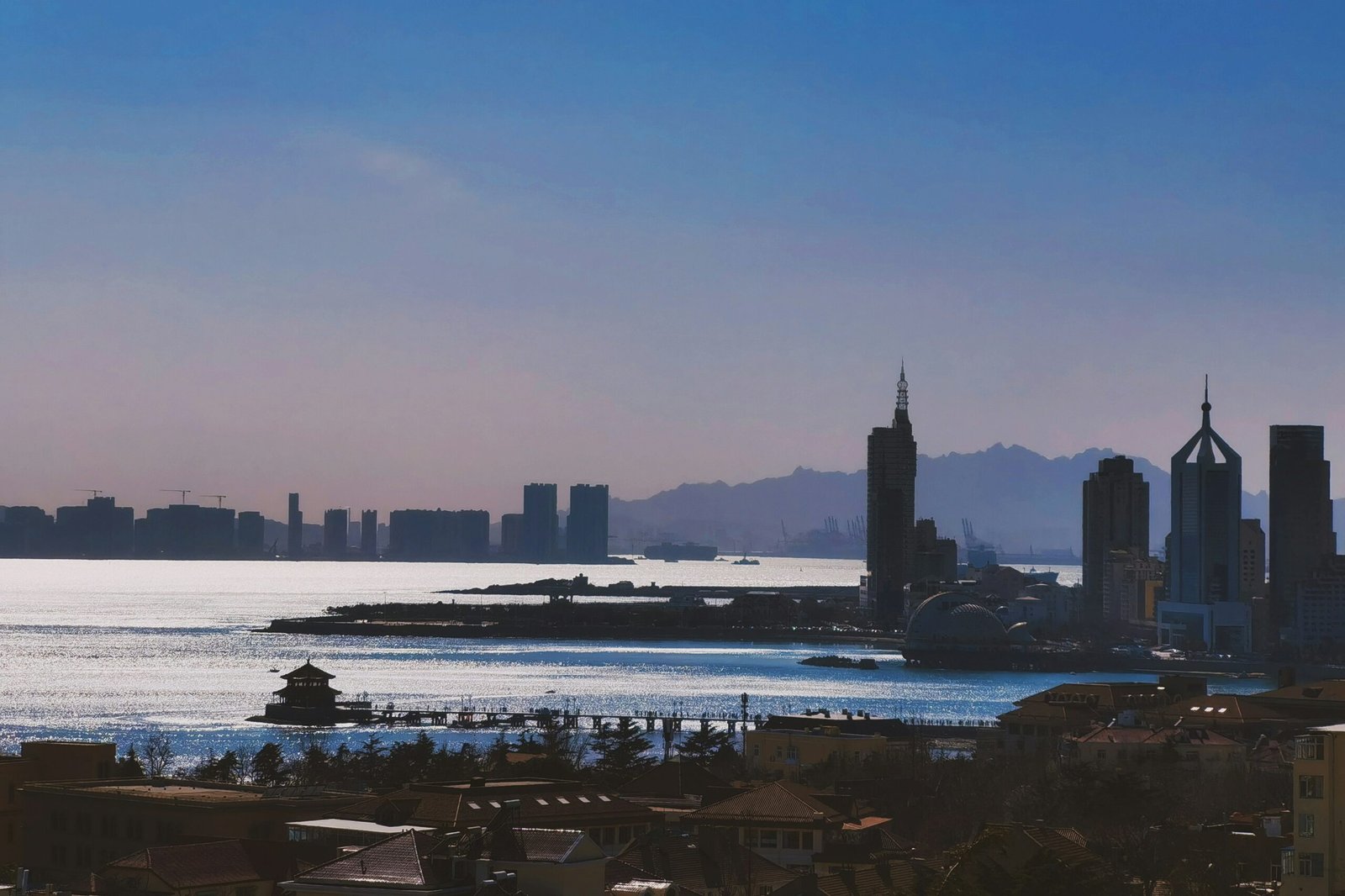
Nestled along the Shandong Peninsula on China’s east coast, Tsingtao (Qingdao) is one of the country’s most fascinating travel destinations — a coastal city where German colonial history, Chinese culture, and modern seaside life coexist in a uniquely charming blend. Known globally for its Beer, this city offers far more than its famous brewery: scenic beaches, red-roofed villas, ancient temples, and seafood that defines coastal dining in China.
Whether you’re a history enthusiast, food lover, or language learner exploring China, The city provides a balance of culture and relaxation that few Chinese cities can match.
Founded as a German concession in 1898, the city was designed as a model colonial city — with wide boulevards, red-brick homes, and European architecture. The Germans established the Brewery in 1903, which would later become China’s most internationally recognized beer brand.
After World War I, the city changed hands several times — first to Japan, then returned to Chinese control in 1922. Each era left distinct marks on the cityscape. Today it stands as a vibrant coastal hub with both historic charm and modern innovation, home to universities, tech industries, and one of China’s largest ports.
The city is unlike any other city in China. Here, you can walk from a Gothic cathedral to a Buddhist temple within minutes, then relax on a golden beach with a glass of the city’s signature beer. Its compact layout, seaside charm, and welcoming locals make it one of the most traveler-friendly destinations in eastern China.
Here’s why you should visit:
No trip is complete without visiting its most iconic landmark — the Brewery Museum. Located on the original 1903 brewery site, it showcases the history of beer-making in China through immersive exhibits and interactive tours. The visit ends with a fresh pint straight from the production line, known for its crisp and refreshing flavor.
Tip: Visit early in the day or on weekdays to avoid crowds. Beer tastings are included in most tickets.
Stretching into the blue waters of Jiaozhou Bay, Zhanqiao Pier is the symbol of the city and appears on every beer label. Built during the German colonial period, it’s a great spot for sunset photography and people-watching. Street vendors sell grilled squid, souvenirs, and local snacks nearby.
Known as the “Eight Great Passes,” Badaguan is a neighborhood of tree-lined streets and European-style villas. Each road is named after a historical Chinese military pass, and the area’s architecture represents dozens of global styles — from Russian to Spanish to Japanese. It’s a romantic spot popular for wedding photos and afternoon walks.
Travel Tip: Visit in spring for cherry blossoms or autumn for golden ginkgo leaves.
Located about 30 km east of downtown, Mount Laoshan is one of China’s most sacred Taoist mountains. The scenic area offers hiking trails, waterfalls, temples, and breathtaking coastal views. It’s also famous for Laoshan mineral water, used in brewing Tsingtao Beer.
Cultural Note: According to legend, immortals once lived here — making it a key site in Taoist mythology.
Named after the May Fourth Movement, this large public square symbolizes modern Chinese spirit. The bright red sculpture, “May Wind,” stands out against the blue sea and skyline. The area comes alive at night with light shows and street performers.
A family favorite, Underwater World is a large aquarium featuring tunnels, coral displays, and interactive marine exhibits. Located near the No.1 Bathing Beach, it’s ideal for families traveling with children.
Tsingtao’s coastline is one of China’s cleanest and most accessible.
Built by German missionaries in the 1930s, St. Michael’s Cathedral is a masterpiece of Gothic architecture. It remains one of the most photogenic buildings in Tsingtao, often featured in wedding photos and travel blogs.
Held annually in August, the International Beer Festival is Asia’s largest beer event, often compared to Munich’s Oktoberfest. For two weeks, the city transforms into a lively celebration of global brewing culture, with parades, concerts, and of course — endless beer tasting.
Beyond the festival, beer is part of daily life. You’ll find it served fresh at seafood restaurants and even in plastic bags for takeaway from street vendors. Locals often enjoy it with clams, skewers, and lively conversation.
Tip: Try “青岛啤酒原浆 (Qīngdǎo píjiǔ yuánjiāng)” — the unfiltered, fresh version of the Beer, available only locally.
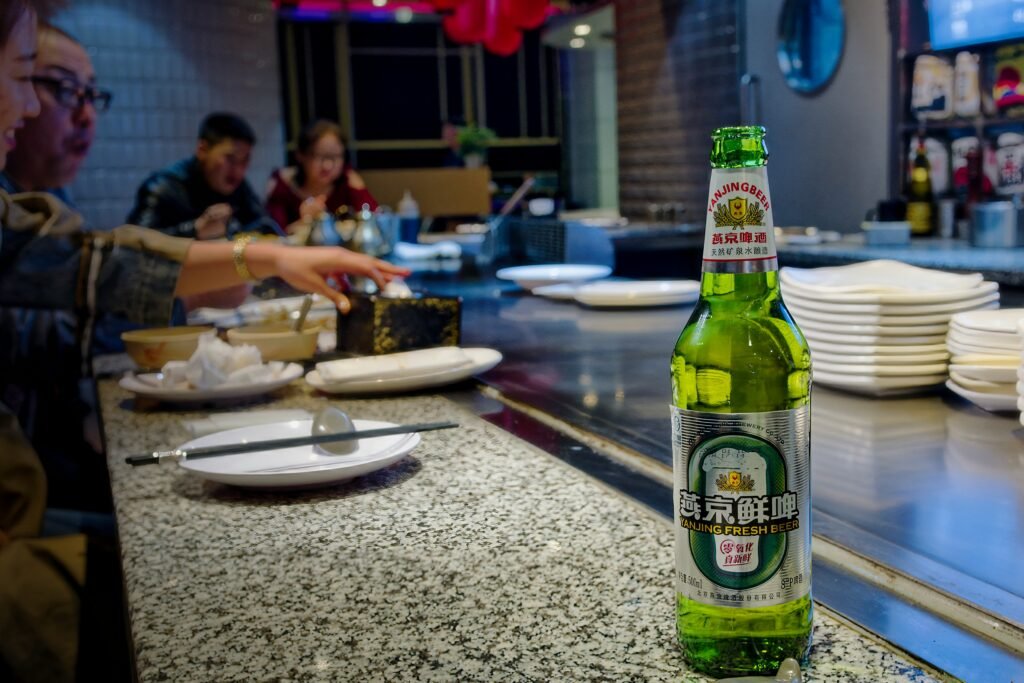
The city’s coastal location guarantees the freshest seafood in China. Visit Yunxiao Road Food Street or Beer Street for authentic local dishes.
Must-try dishes:
New microbreweries and coffee shops are popping up across the city, especially in the Creative 100 District — a renovated industrial area combining art, food, and local entrepreneurship.
The city is well-connected and easy to navigate:
Common Mistake: Underestimating the city’s size — plan routes ahead, especially if combining downtown and Mount Laoshan on the same day.
Day 1:
Explore Zhanqiao Pier, St. Michael’s Cathedral, and Badaguan. Enjoy seafood dinner at Beer Street.
Day 2:
Morning hike at Mount Laoshan, afternoon beach time, and sunset at May Fourth Square.
Day 3:
Tour the Brewery Museum, then shop or relax in Creative 100 District. Depart with souvenirs (and maybe a few beers).
Locals in Tsingtao are known for their friendly and open nature. While many people in tourism or hospitality speak some English, learning a few basic Chinese phrases will make your experience smoother.
Common phrase to know:
“没事 (méi shì)” – “It’s okay” or “no problem.”
You’ll hear this everywhere, often used casually when someone apologizes or thanks you.
Cultural Note: Always toast with both hands when drinking with locals. It’s a simple but meaningful sign of respect.
Qingdao (Tsingtao) is a coastal city in eastern China known for its scenic beaches, German colonial architecture, and famous Tsingtao beer. Visitors can explore the historic Badaguan district with its European-style villas, stroll along the picturesque Zhanqiao Pier, and enjoy outdoor activities at beaches like No. 1 Bathing Beach. The city also offers cultural experiences at Qingdao Beer Museum, local seafood markets, and nearby Mount Laoshan for hiking and Taoist temples. With its combination of coastal charm, history, and culinary delights, Qingdao makes for a lively and diverse travel destination.