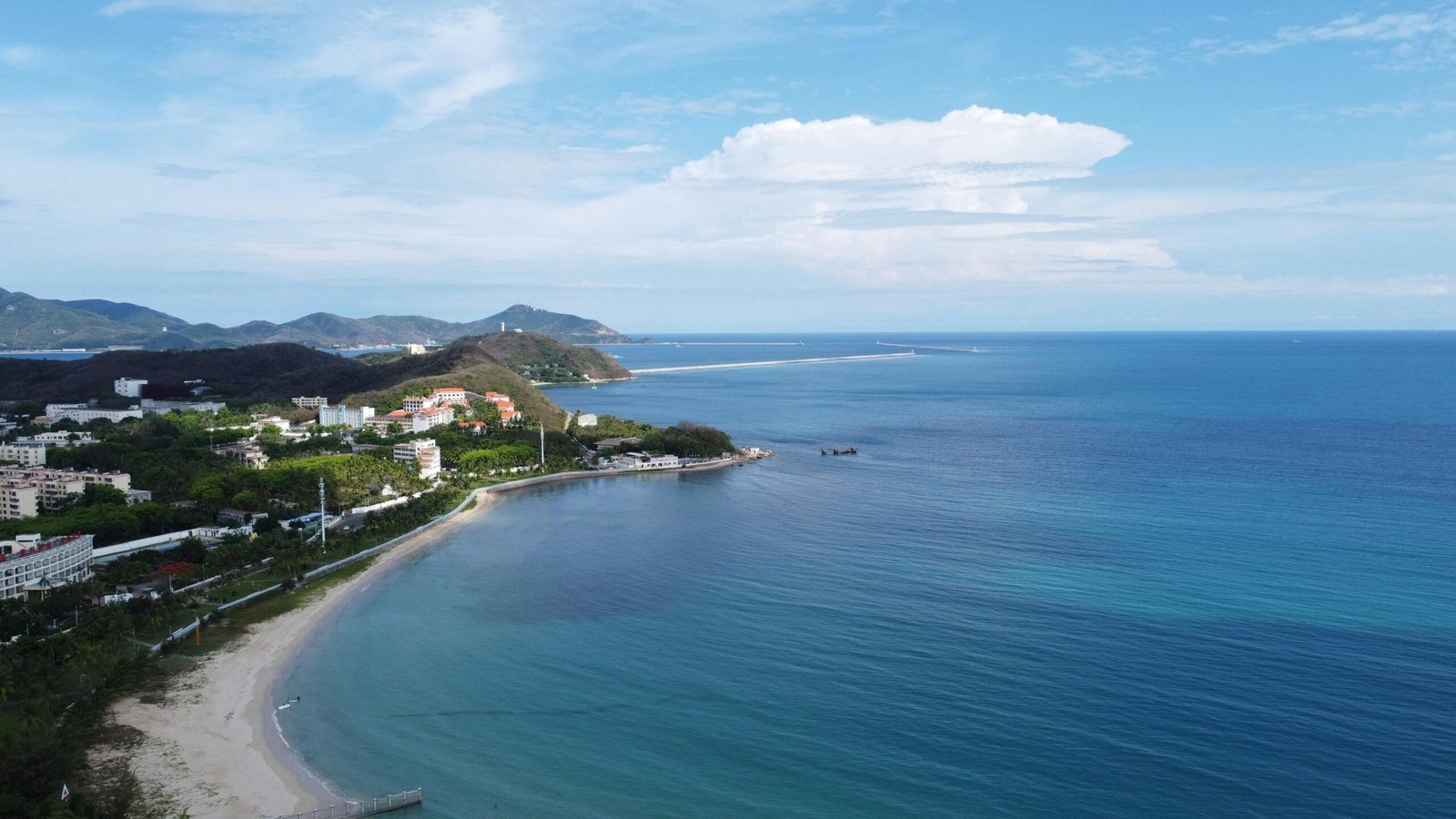
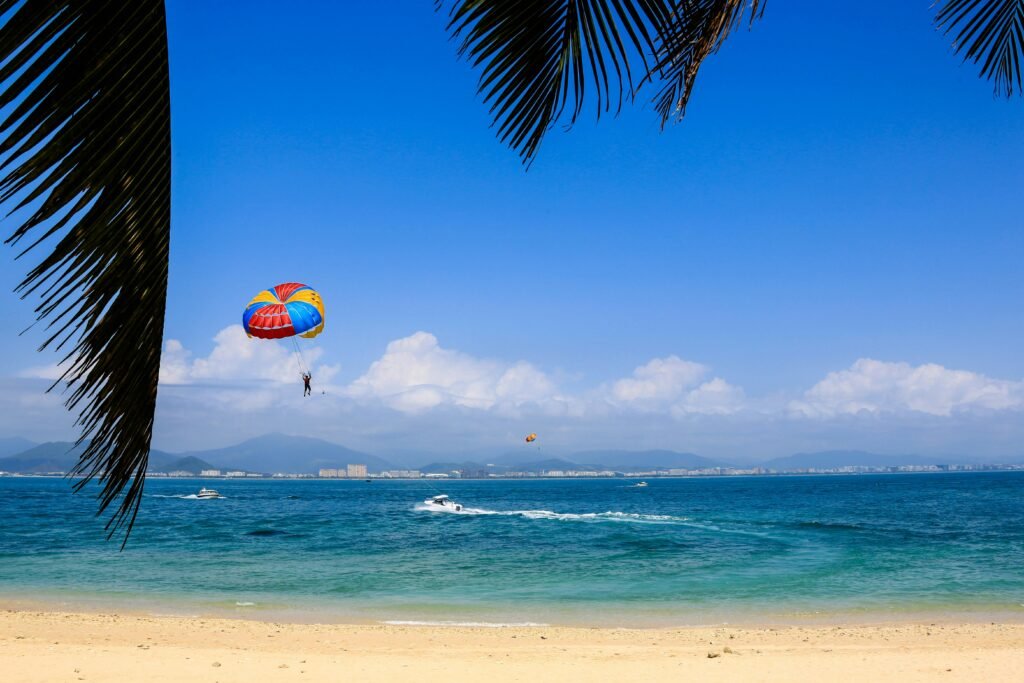
Welcome to Hainan — China’s only tropical island-province, located off the southern coast of the mainland. Often dubbed “China’s Hawaii”, Hainan offers warm seas, white-sand beaches, lush rainforests and a different side of Chinese travel.
In this long-form travel article for GoChinese.io, we’ll cover everything from why you should go, how to get there, where to stay, what to see, how to travel like a local and key tips (and mistakes) to avoid. Whether you’re planning your first trip to China or adding a laid-back tropical leg to a mainland itinerary, Hainan is an excellent choice.
Table of Contents
Why Visit Hainan?
The tropical difference
Hainan is China’s southernmost major island province, with around 1,944 km of coastline and 68 bays.
The climate is warm year-round, giving a holiday vibe that is rare in much of China’s cooler/temperate zones.
The mix: beach resort luxury + natural landscapes (rainforest, mountains) + Chinese culture.
Off the usual China track
For many travellers to mainland China, the rhythm is city-tourism–temple–historical sites. Hainan gives you a different pace: relax on the coast, snorkel, enjoy resort life, or dive into nature. It’s also becoming easier to access, which means you can combine it with a broader “travel China” plan.
The “China meets resort” appeal
Resort towns like Sanya are well-developed for international visitors.
Inland you’ll find the indigenous minority culture of the Li people, rainforests and quieter corners.
Best Time to Visit & What to Expect Weather-wise
When to go
The ideal window: December to March — mild temperatures (~23-26 °C) and less rain.
Avoid major Chinese holiday peaks if you prefer tranquillity (e.g., Chinese New Year) because domestic tourism can spike.
Note: Typhoon season (summer into early autumn) is a factor—resorts and coastal services may be affected.
Climate & weather patterns
Being tropical, humidity can be high, and rainfall heavier in certain months.
What to pack: swimwear, sun-protection for the beach; light jacket or long sleeve for evening or inland hikes.
If you’re going into rainforest or mountainous zones, bring good walking shoes, insect repellent, and maybe a light waterproof layer.
Getting There & Getting Around
Arriving
Hainan has major airports (e.g., in Sanya, Haikou) connecting to China’s mainland and some international routes.
Check visa/entry requirements. Some regions of Hainan offer visa-free entry for certain nationalities for limited durations.
Internal transport
Airports, ferries, and trains link key cities and resort zones.
If you plan to explore outside resort hubs, consider renting a car or booking local tours — the interior is less developed in infrastructure.
Tip: When going inland (rainforest-hiking, minority villages) give yourself extra time — roads may be winding, services fewer.
Top Destinations & Things To Do in Hainan
Coastal & Resort Highlights
Sanya & Surroundings
Yalong Bay: A high-end beach zone with clear water, sand and resort hotels.
Dadonghai Beach: More lively atmosphere with water-sports, bars and restaurants at the beach front.
Wuzhizhou Island: A short boat ride away, excellent for snorkelling/diving. Tip: To avoid crowds, stay in less busy bays or outside major resort clusters.
Inland & Nature Experiences
Yanoda Rainforest Cultural Tourism Zone: Lush rainforest trails, waterfalls and elevated walkways.
Wuzhishan (Five Finger Mountain): For hikers and nature lovers.
Minority culture visits: The Li and Miao peoples still live in parts of Hainan’s interior, offering unique cultural insight. Common mistake to avoid: Staying only in coastal resorts and missing inland culture & nature.
Cultural & Historical Spots
Nanshan Buddhism Cultural Park: A large coastal hill temple area with sea-views.
Haikou’s old town: Qilou architecture, colonial era buildings, street life.
Museums & cultural heritage: For instance, the Hainan Museum in Haikou shows local history and minorities.
Wellness, Relaxation & Unique Stays
Many resorts offer spa, wellness services, and the slow pace of tropical life.
Island-style accommodation: From luxury resorts to boutique guesthouses inland.
Practical Travel Tips
Money & spending
Expect resort prices (food, drinks, activities) to be higher than inland China in general.
Payment: Many places accept mobile payment (Alipay/WeChat) but ensure you can pay with a card or cash if you travel out of tourist zones.
Tip: Carry some cash or a backup card for more remote or less-touristy spots.
Language & communication
Chinese (Mandarin) is widely spoken; in tourist resorts you’ll find more English, but inland you may encounter fewer English-speakers.
Tip: Have key phrases or a translation app handy.
Learning a bit of Chinese will enrich your experience and help you connect.
Intrested in Learning Chinese? Read here about the HSK system
Culture & customs
Respect local minority cultures (Li, Miao). If visiting villages, ask permission for photos and behave respectfully.
Beachwear is fine at resorts — but outside beach zones dress more modestly when entering temples or cultural areas.
Health & safety
Sun protection is a must: strong UV in tropical zones.
Mosquito/bite prevention: when hiking rainforest or staying near water/inland.
Typhoon awareness: As with any tropical island, storms can affect transport and services.
Tip: Check weather forecasts before booking remote outings.
Transportation and staying smart
Renting a motorbike or self-driving gives freedom — but local roads may be less developed inland.
Resorts may charge extra for amenities or resort fees — check details.
Common mistake: Booking a beachfront resort without checking the distance to attractions you want to see.
Sustainable travel
Choose accommodation/resorts with sustainable practices.
Don’t leave trash on beaches or trails; support local businesses.
Must-See Attractions in Haikou
Sanya, on the southern tip of Hainan, is the island’s most famous tropical resort city. Here are the top attractions and experiences you shouldn’t miss:
Beaches & Islands
Yalong Bay – Known as “China’s most beautiful bay,” famous for turquoise waters, soft sand, and luxury resorts.
Dadonghai Beach – Central, lively, and perfect for swimming, dining, and nightlife.
Sanya Bay – Long beachfront with sunset views and a relaxed local atmosphere.
Wuzhizhou Island – A short ferry ride from the mainland, ideal for snorkeling, diving, and water sports.
West Island (Xi Dao) – Less crowded than Wuzhizhou, offering coral reefs and fishing village culture.
Cultural & Scenic Highlights
Nanshan Temple and the 108-Meter Guan Yin Statue – A massive oceanside Buddhist statue and peaceful temple complex.
Tianya Haijiao (The End of the Earth) – Iconic coastal rock formations symbolizing eternal love and travel’s farthest horizon.
Luhuitou Scenic Area – Overlooking the city and coastline; great for sunset photos and the legend of the “Deer Turning Head.”
Binglanggu (Betel Nut Valley) – A cultural park showcasing Li and Miao minority traditions through dance, music, and crafts.
Nature & Adventure
Yanoda Rainforest Park – A lush ecological park with suspension bridges, waterfalls, and jungle hiking.
Yalong Bay Tropical Paradise Forest Park – Combine rainforest hikes with elevated glass walkways and panoramic sea views.
Atlantis Sanya – A massive resort complex featuring an aquarium, water park, and luxury shopping.
Travel Tip: Sanya is sunny year-round; plan beach activities early in the day and explore cultural or shaded sites in the afternoon heat.
Must-See Attractions in Haikou
Haikou, the capital of Hainan Province, offers a mix of old-town charm, modern city life, and cultural depth. It’s also the gateway for most travelers arriving on the island.
Cultural & Historical Sites
Qilou Old Street – Haikou’s most famous district, lined with restored arcaded buildings blending European and South-Chinese styles.
Hainan Museum – A modern museum covering Hainan’s natural history, culture, and minority heritage.
Five Lords Temple (Wugongci) – Historic memorial honoring exiled Tang and Song dynasty officials, surrounded by peaceful gardens.
Haikou Clock Tower – A riverside landmark built in the 1920s, ideal for a stroll at dusk.
Haidian Island Temple of the Five Immortals – Known for intricate architecture and spiritual atmosphere.
Parks & Nature
Evergreen Park – Haikou’s largest urban park, perfect for morning walks and local life observation.
Volcanic Cluster Global Geopark (Leiqiong Geopark) – Explore extinct volcanic craters, lava tunnels, and observation decks.
Holiday Beach – Urban beach area offering swimming, windsurfing, and evening seafood stalls.
Dongzhai Harbor Mangrove Nature Reserve – A protected wetland habitat for migratory birds and coastal wildlife.
Local Lifestyle & Food
Haikou Arcade Snack Street (Qilou Food Street) – Sample tropical fruits, coconut rice, and local seafood dishes.
Haiken Avenue Night Market – Great for late-night bites and souvenirs.
The American Bakery – Great treats and snacks along with good meals and Jiujitsu
Travel Tip: Spend at least two days in Haikou before heading south to Sanya—it gives you a complete view of Hainan’s urban culture and relaxed island rhythm.
FAQs
English is not as widely spoken in Hainan as in major international cities like Beijing or Shanghai, but you’ll find that resort staff in Sanya and major hotels around Yalong Bay and Haikou often have good English communication skills. In more local areas—especially smaller towns or rural parts of the island—Mandarin Chinese is the primary language, and some locals may also speak Hainanese or Li dialects. To make travel smoother, download a translation app or carry a bilingual phrasebook. Even learning a few simple Chinese phrases like “谢谢 (xièxie)” for “thank you” goes a long way.
Tip: Look for hotels or tours with English-speaking guides if you plan to explore outside the main resort areas.
No, you can travel comfortably in Hainan without knowing Chinese characters. Tourist areas, hotels, and transport hubs often include English or Pinyin (the Romanized form of Mandarin) on signs and menus. For navigation and communication, translation apps such as Pleco or Google Translate are extremely helpful.
That said, learning a few basic Chinese words or phrases will enrich your trip—locals appreciate it when foreigners make the effort. For example, knowing how to say “多少钱 (duō shǎo qián?)” meaning “How much is it?” can help when shopping in local markets.
Tip: Try downloading offline maps and translation tools before arrival, as internet access may vary outside city centers.
Yes, Hainan offers a visa-free entry policy for citizens of over 50 countries, including many in Europe and Asia, as well as the United States, Canada, and Australia. This allows eligible visitors to stay in Hainan for up to 30 days without needing a full Chinese visa, provided they enter directly via the island’s airports (Haikou or Sanya).
You must use an approved travel agency or submit travel details in advance to immigration authorities.
Important: The visa-free policy applies only to Hainan; you cannot travel to mainland China without a separate visa. Always confirm the latest entry requirements before booking, as policies can change.
Tip: If you plan to continue your journey to other parts of China, apply for a standard tourist visa before arrival.
Hainan’s main cities and resorts are well connected, offering reliable Wi-Fi in hotels, cafes, and shopping centers. China’s mobile payment systems—Alipay and WeChat Pay—are the most convenient ways to pay for nearly everything, from taxis to meals.
Foreign visitors can now link international bank cards to Alipay or WeChat Pay apps, making transactions seamless even without a local Chinese bank account.
However, smaller shops and rural areas might prefer cash, so carry a small amount of Chinese yuan (RMB) for emergencies.
Tip: Download a VPN before arrival if you plan to access Western sites like Google or WhatsApp, since these are restricted on the mainland. For Chinese apps, mobile connectivity is excellent throughout Hainan.
Yes, most of Hainan’s beaches—especially in Sanya, Yalong Bay, and Dadonghai—are safe and well maintained, with lifeguards on duty during peak hours. Water conditions are generally calm, making these beaches suitable for families and beginner swimmers.
However, always pay attention to posted warning flags and local advisories, particularly during typhoon season (June–September) when sea currents can become stronger.
Tip: Wuzhizhou Island and Haitang Bay are great for snorkeling, but check whether swimming zones are open before diving in.
Common mistake: Ignoring safety flags or venturing into unsupervised areas—tides can change quickly in the South China Sea.
Call-out: Travel Tips & Common Mistakes
Tip: Book accommodation early if travelling in the high season (winter months) — Hainan is a popular domestic Chinese holiday destination.
Tip: Explore beyond the main resort strip to discover authentic local cuisine (seafood, Li minority dishes) and quieter scenery.
Common Mistake: Staying only in large resort complexes and missing the unique inland culture and nature.
Common Mistake: Visiting during peak Chinese holiday periods without advanced bookings — things can get crowded and expensive.
Summary
Hainan is often portrayed as China’s tropical paradise, offering a mix of pristine beaches, lush rainforest, and cultural attractions that make it perfect for both relaxation and adventure. The island’s highlights include sun‑soaked coastal spots like Yalong Bay and Sanya Bay for swimming, snorkeling, and surfing; rainforest escapes such as Yanoda Rainforest for jungle hikes and canopy walks; and cultural experiences at places like Nanshan Temple and its giant Guanyin statue for Buddhist heritage and seaside views. Add in local delicacies like tropical fruit, seafood, and regional specialties such as Wenchang chicken, and Hainan delivers a full‑spectrum island experience that combines natural beauty, cultural richness, and laid‑back tropical charm.
Explore more China travel articles on GoChinese.io for additional destination ideas, language learning guides and travel insights.