Physical Address
304 North Cardinal St.
Dorchester Center, MA 02124
Physical Address
304 North Cardinal St.
Dorchester Center, MA 02124

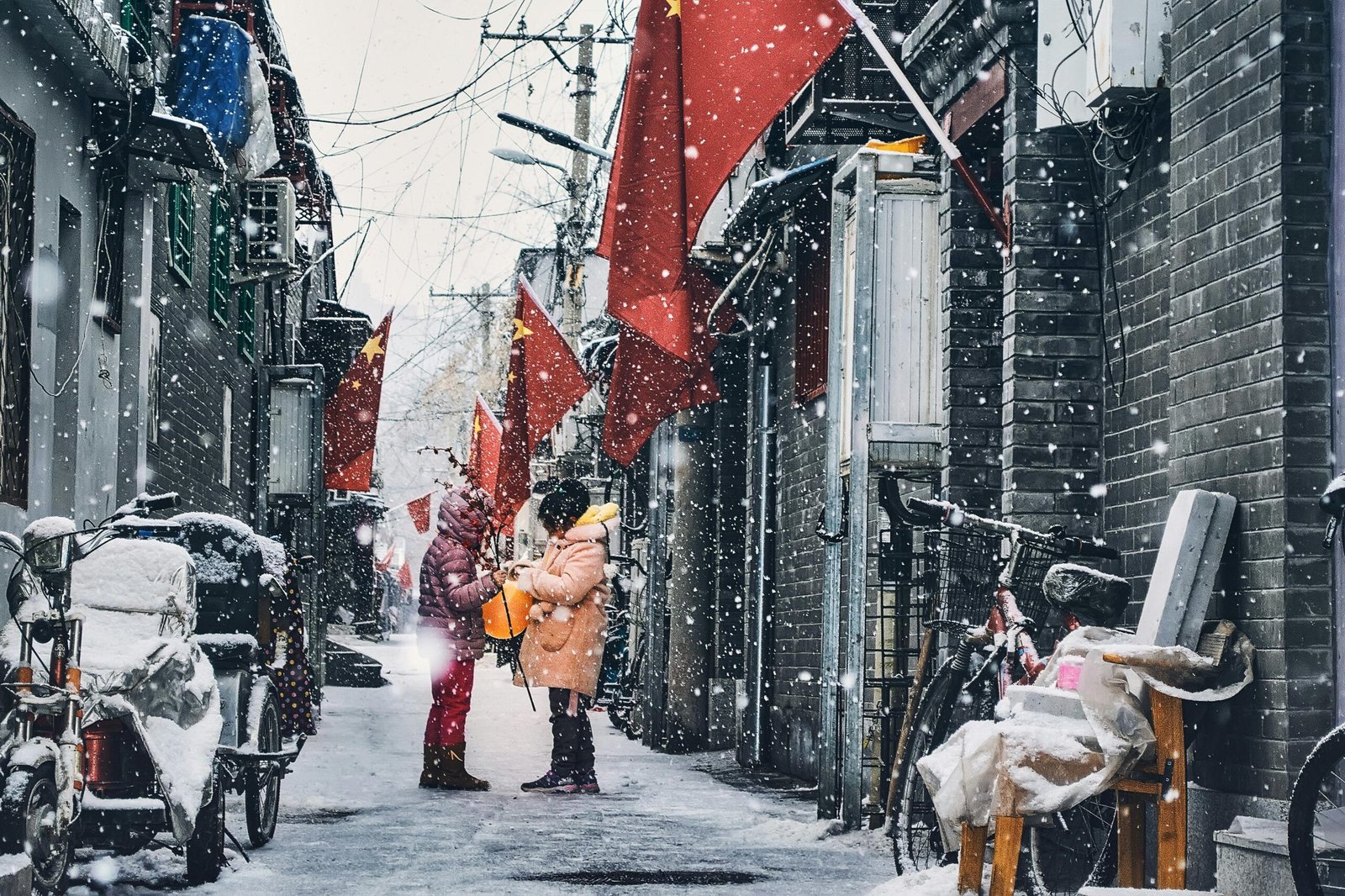
China transforms into a wonderland when winter arrives — with snow-dusted peaks, lantern-lit festivals, and serene ancient towns free from the usual crowds. Whether you’re drawn to skiing in the north, hot springs in the mountains, or exploring cultural gems in the south, this season offers something special for every traveler.
In this guide, we’ll explore five of the best places to travel to in China this winter, plus travel tips, cultural highlights, and key local experiences that make each spot shine in the colder months.
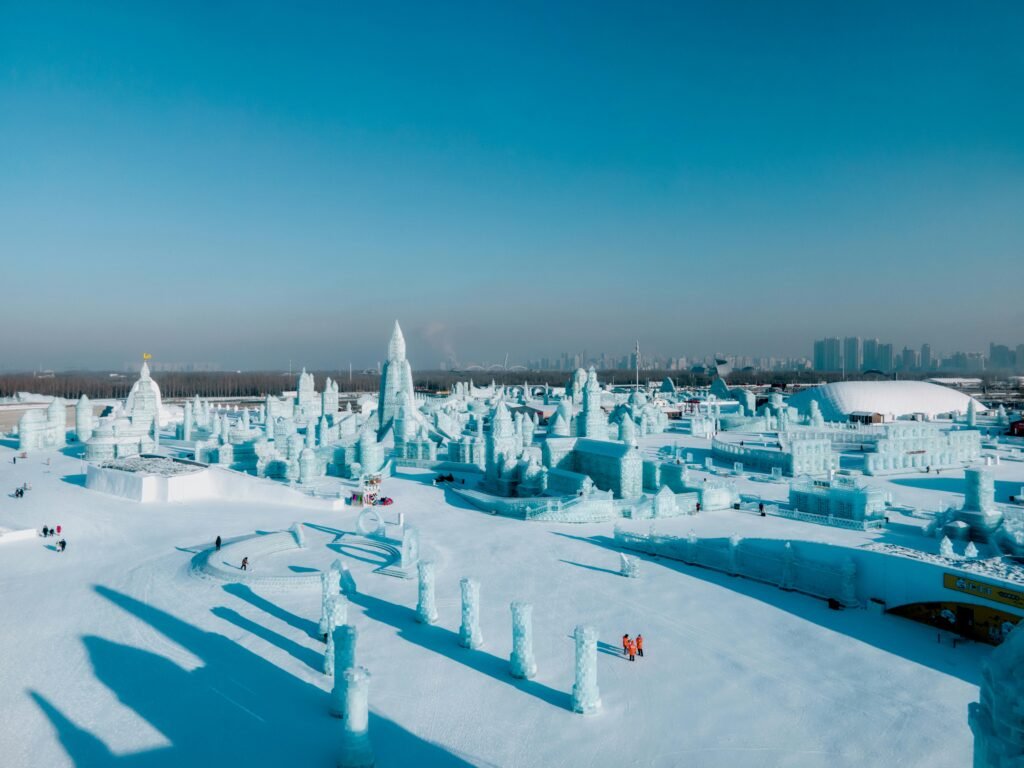
Harbin, in Heilongjiang Province, is the undisputed star of Chinese winter travel. Known as the “Ice City,” it hosts the world-famous Harbin International Ice and Snow Sculpture Festival, a dazzling showcase of massive illuminated ice castles and detailed sculptures that stretch across entire parks.
Beyond the festival, Harbin’s Russian-influenced architecture and St. Sophia Cathedral give the city an old-world charm. Travelers can enjoy skating on the frozen Songhua River or tasting hotpot and candied hawthorn sold by street vendors to ward off the chill.
Travel Tip: Book accommodations early — Harbin fills up quickly in January when the Ice Festival peaks. Bring proper thermal gear; temperatures often drop below -20°C.
Common Mistake: Many visitors stay only one or two nights. To truly enjoy the festival and the city’s history, plan for at least three days.
Located in Hunan Province, Zhangjiajie National Forest Park — the inspiration behind the floating mountains of Avatar — takes on a mystical beauty in winter. The sandstone pillars are often dusted with snow, creating an ethereal landscape perfect for photographers and nature lovers.
Winter visitors enjoy fewer crowds and clearer air, making hikes and glass bridge walks far more enjoyable. The Tianmen Mountain cable car offers panoramic views of icy peaks and frozen waterfalls, while the Heaven’s Gate Cave stands as a breathtaking natural wonder framed by snow.
Travel Tip: Wear non-slip footwear and avoid peak times during Chinese New Year when domestic tourism spikes.
Common Mistake: Many assume Zhangjiajie is too cold to visit — in fact, it’s milder than northern destinations, averaging 5–10°C in winter.
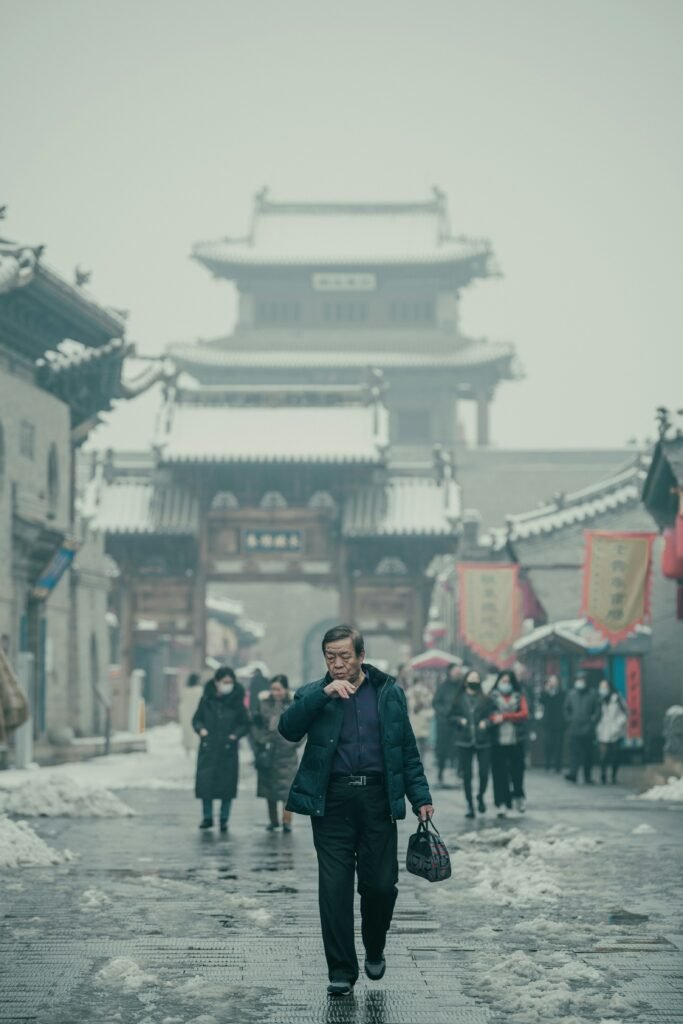
Winter brings out a quieter, more authentic side of Beijing, China’s capital. With the summer crowds gone, visitors can explore the Forbidden City, Temple of Heaven, and Summer Palace under a blanket of snow — a sight that feels almost cinematic.
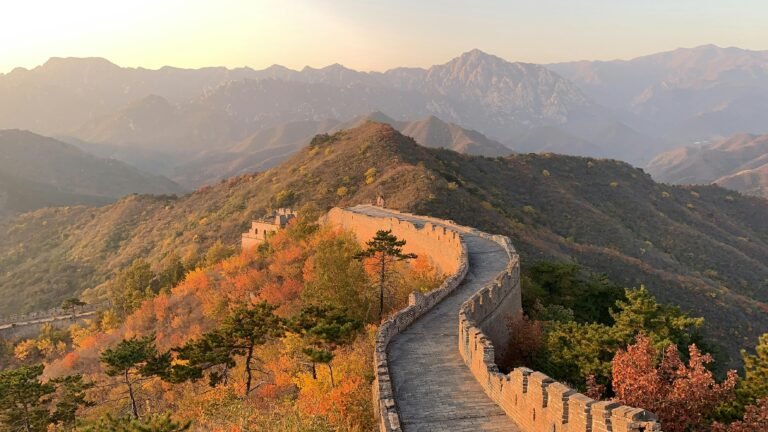
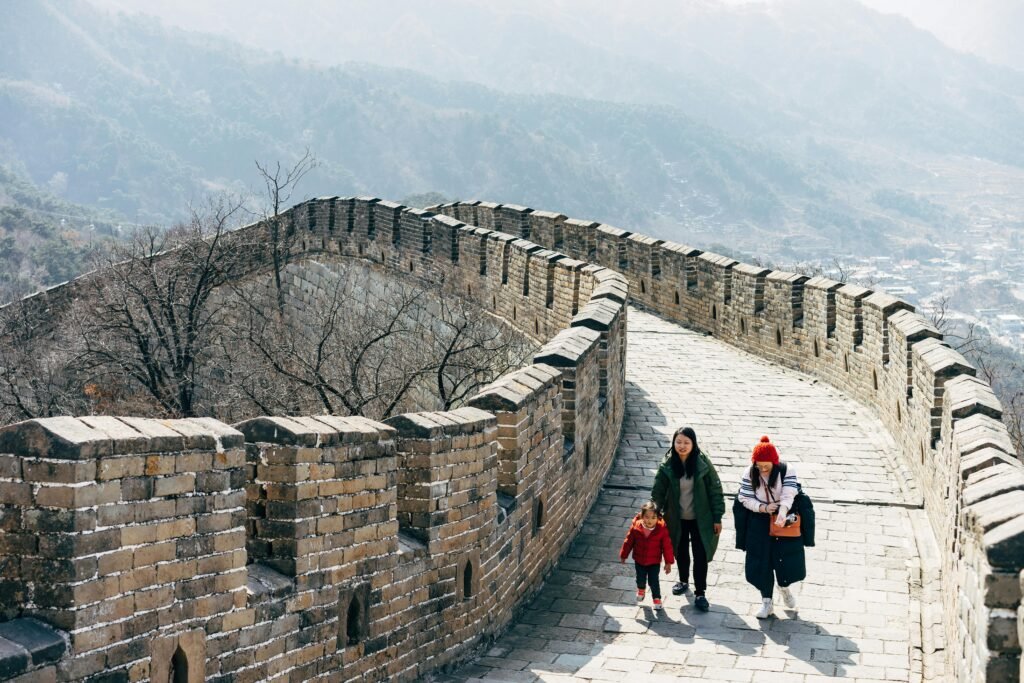
For those seeking a bit of adventure, the Great Wall of China in winter is breathtaking. Sections like Mutianyu and Jinshanling remain open year-round and offer majestic, snow-covered views with far fewer tourists.
Travel Tip: Try roasted chestnuts, lamb skewers, and hot soy milk at local street markets to stay warm between sightseeing stops.
Common Mistake: Skipping outdoor sites due to the cold. With proper clothing, winter may be the most peaceful time to experience Beijing’s grandeur.
While northern China freezes, Chengdu, in Sichuan Province, offers a milder, misty winter ideal for food lovers and cultural travelers. The city’s legendary Sichuan hotpot is practically made for cold weather — spicy, aromatic, and perfect for warming up after a stroll through old teahouses or temples.
The Chengdu Research Base of Giant Panda Breeding is a must-visit year-round, but winter provides cooler weather for active pandas and smaller crowds. Afterward, unwind in one of the region’s nearby hot springs, like those at Mount Qingcheng or Hailuogou.
Travel Tip: Book panda tickets early in the morning; pandas are most playful before noon.
Common Mistake: Many skip Chengdu’s cultural side. Spend time in Jinli Ancient Street and Wuhou Shrine to experience its deep history and relaxed charm.

Located in Yunnan Province, Lijiang remains one of China’s most picturesque destinations — and in winter, it’s even more magical. The cobblestone streets of Lijiang Old Town, a UNESCO World Heritage site, sparkle under light snow, and the nearby Jade Dragon Snow Mountain looms majestically above.
Visitors can enjoy mild weather in the day and crisp nights by the fire. The local Naxi culture adds another layer of richness, from traditional music performances to distinctive architecture. This region is also close to Tiger Leaping Gorge, a dramatic canyon offering scenic winter hikes.
Travel Tip: Visit in December or January for fewer tourists and clearer skies.
Common Mistake: Skipping acclimatization — Lijiang sits at high altitude (around 2,400 meters), so pace yourself upon arrival.
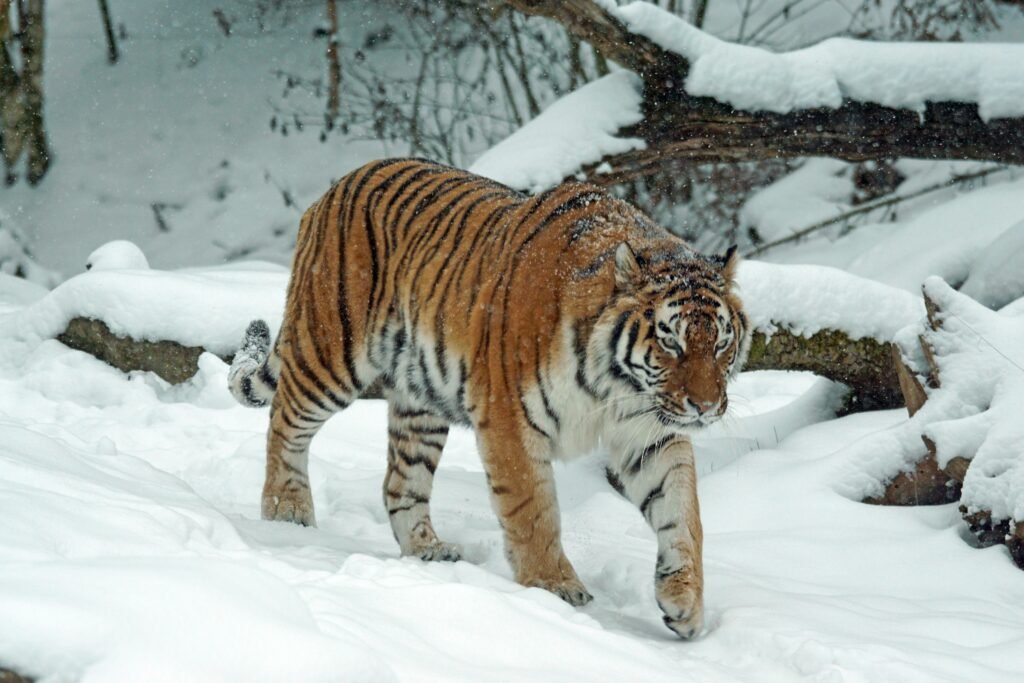
Traveling to China in winter can be magical, but a few key strategies make the trip smoother and more rewarding:
Learn Basic Chinese for a Better Experience Even a few phrases can greatly improve your interactions and immersion. Chinese learning apps to help you practice greetings, directions, and dining phrases. Using basic Chinese opens doors to insider tips, local experiences, and cultural insights that enrich your trip.
Dress in Layers and Prepare for the Cold Northern cities like Harbin and Beijing can be extremely cold, while southern regions are milder. Layered clothing, insulated jackets, scarves, gloves, and waterproof footwear help you stay warm and comfortable while exploring outdoor attractions.
Plan Ahead and Stay Flexible Winter includes festivals like Chinese New Year, which can increase crowds and prices. Book flights, trains, and accommodations in advance, and keep your itinerary flexible to account for possible delays or weather-related closures.
Traveling through China this winter can be deeply rewarding, but preparation is key. Train routes and flights are efficient and plentiful, but schedules may vary around Chinese New Year. Accommodation prices often rise slightly in January and February, so booking ahead helps you secure better deals.
Winter is also festival season. Don’t miss Chinese New Year celebrations (dates vary between late January and mid-February) for fireworks, lanterns, and local customs that illuminate China’s vibrant traditions.
Traveling to China in winter offers unique experiences across both urban and natural landscapes, with fewer crowds and seasonal charm. Top destinations include Harbin for its spectacular Ice and Snow Festival, Beijing for cultural landmarks like the Forbidden City dusted in snow, and Hainan for warm beaches and tropical escapes. Zhangjiajie’s dramatic cliffs and frosted forests create a magical winter scenery, while Xi’an allows visitors to explore the Terracotta Army and ancient city walls in cooler, comfortable weather. These five destinations combine cultural richness, seasonal beauty, and festive activities, making winter an excellent time to experience China’s diversity.
For more insights into Chinese culture and language, explore other guides on GoChinese.io, where you can find language tips, travel resources, and cultural deep dives that enrich every trip to China.